

Key Takeaways
Summary
22 items · 30-60 minutes
Why Preparation Matters More for Small Pets
Small pets like rabbits, guinea pigs, and birds are often perceived as low-maintenance starter animals, but they have precise environmental, dietary, and social needs that must be met from the moment they enter your home. Unlike dogs or cats, many small animals mask signs of stress or illness until a problem becomes serious - which means a well-prepared environment is your first line of care.
If you haven't yet settled on which species is right for your household, our side-by-side species comparison can help you make a confident decision before you commit. Once you've chosen, this checklist walks you through everything to confirm before your new pet crosses the threshold.
Not All Vets Treat Small Pets
Rabbits, guinea pigs, and pet birds are classified as exotic animals by many veterinary practices, meaning your nearest general vet may not have the training or equipment to treat them. Do not wait until your pet is sick to find a qualified provider. Search for exotic animal veterinarians in your area and confirm they treat your specific species before your pet arrives home.
What You'll Need Before Getting Started
Use the tool list below as a shopping reference. Gather every item before collection day - setting up on arrival day is stressful for both you and the animal.
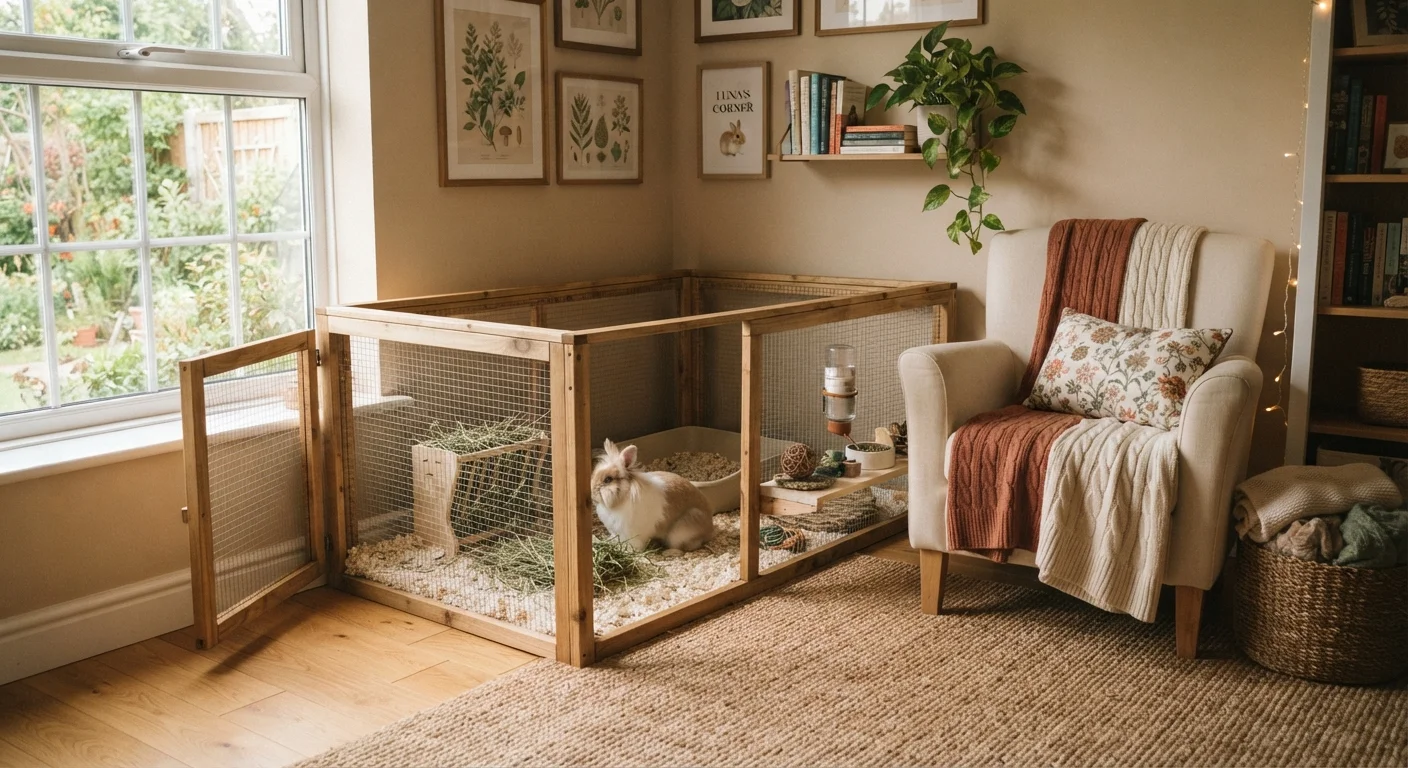
Appropriately Sized Enclosure
Provides your pet's primary living space - size requirements vary significantly between rabbits, guinea pigs, and birds.
Species-Appropriate Bedding or Substrate
Paper-based bedding for small mammals keeps odor down and supports natural digging behavior; birds need different flooring entirely.
Food and Hay Supply
Fresh timothy hay is the dietary foundation for rabbits and guinea pigs and must be available around the clock.
Water Bottle or Heavy Ceramic Bowl
Delivers clean, accessible drinking water; sipper bottles reduce contamination, but some animals prefer open bowls.
Hide Box or Enclosed Shelter
Gives your small pet a secure retreat, which is critical for reducing stress during the first few days in a new environment.
Chew Toys or Foraging Items
Prevents boredom and supports dental health, particularly for rabbits and guinea pigs whose teeth grow continuously.
Secure Enclosure Lock or Latch
Prevents accidental escapes and protects your small pet from other household pets who may access the enclosure.
Pet Carrier for Transport and Vet Visits
A safe, species-appropriate carrier makes the journey home and future veterinary visits less stressful for your animal.
The Full Preparation Checklist
Work through each group below in order. Items marked must are non-negotiable for basic welfare; should items are strongly recommended; nice to have items improve quality of life over time.
Habitat Setup
Food and Water
Enrichment and Comfort
Veterinary and Safety Preparation
For ongoing enrichment ideas once your pet is settled, see our guide to keeping small pets mentally active.
Don't Change Your Pet's Diet on Arrival Day
Small animals - especially rabbits and guinea pigs - are sensitive to sudden dietary changes, which can cause digestive problems ranging from loose stools to serious conditions like gastrointestinal stasis. Ask the breeder, shelter, or previous owner exactly what your pet has been eating and replicate that diet for at least the first week. Any dietary transitions should happen gradually over seven to ten days.
Avoid Overhandling in the First Week
It's natural to want to interact with your new pet immediately, but excessive handling before an animal has had time to acclimate can cause significant stress. Give your pet at least two to three days to explore its enclosure, eat, and rest before attempting regular handling. Watch for relaxed body language before extending interaction time.
Vet Care and Health Monitoring
Finding veterinary support before your pet needs it is one of the most important steps new owners skip. Not every veterinary practice has experience with exotic or small animals - rabbits, guinea pigs, and birds each have unique physiology that requires specialist knowledge. Search for an AEMV-affiliated vet or a practice that explicitly lists small mammals and birds as a specialty.
Schedule a new-pet wellness exam within the first week or two of arrival, even if your pet appears healthy. Small animals can conceal illness effectively, so baseline health data collected early gives your vet a point of comparison later. To understand which physical and behavioral changes should prompt an urgent call, review our article on signs that a small pet needs a vet.
If you're bringing home a rabbit specifically, our rabbit care guide for new owners covers diet, housing, and behavior in detail. For birds, our comprehensive pet bird care guide explains cage setup, social needs, and health warning signs.
This article provides general educational information for new small pet owners and is not a substitute for professional veterinary advice. Always consult a qualified veterinarian for guidance specific to your pet's health and species.