

Key Takeaways
Why a Home Grooming Routine Matters
Regular grooming isn't just about keeping your dog looking tidy. It's one of the most direct ways to monitor their physical health - catching skin irritation, lumps, parasites, or ear problems early, before they become serious. It also builds trust: a dog that's comfortable being handled is easier to examine at the vet and less stressed during professional grooming visits.
The goal of at-home grooming isn't perfection. It's consistency. Short, calm sessions repeated often are far more effective than occasional marathon grooming sessions that overwhelm your dog. Just as crate training builds a sense of safety gradually, grooming works best when introduced at your dog's pace.
Core Grooming Tasks and How Often to Do Them
A complete home grooming routine covers five main areas: coat brushing, bathing, nail trimming, ear cleaning, and dental care. Here's a practical breakdown of each:
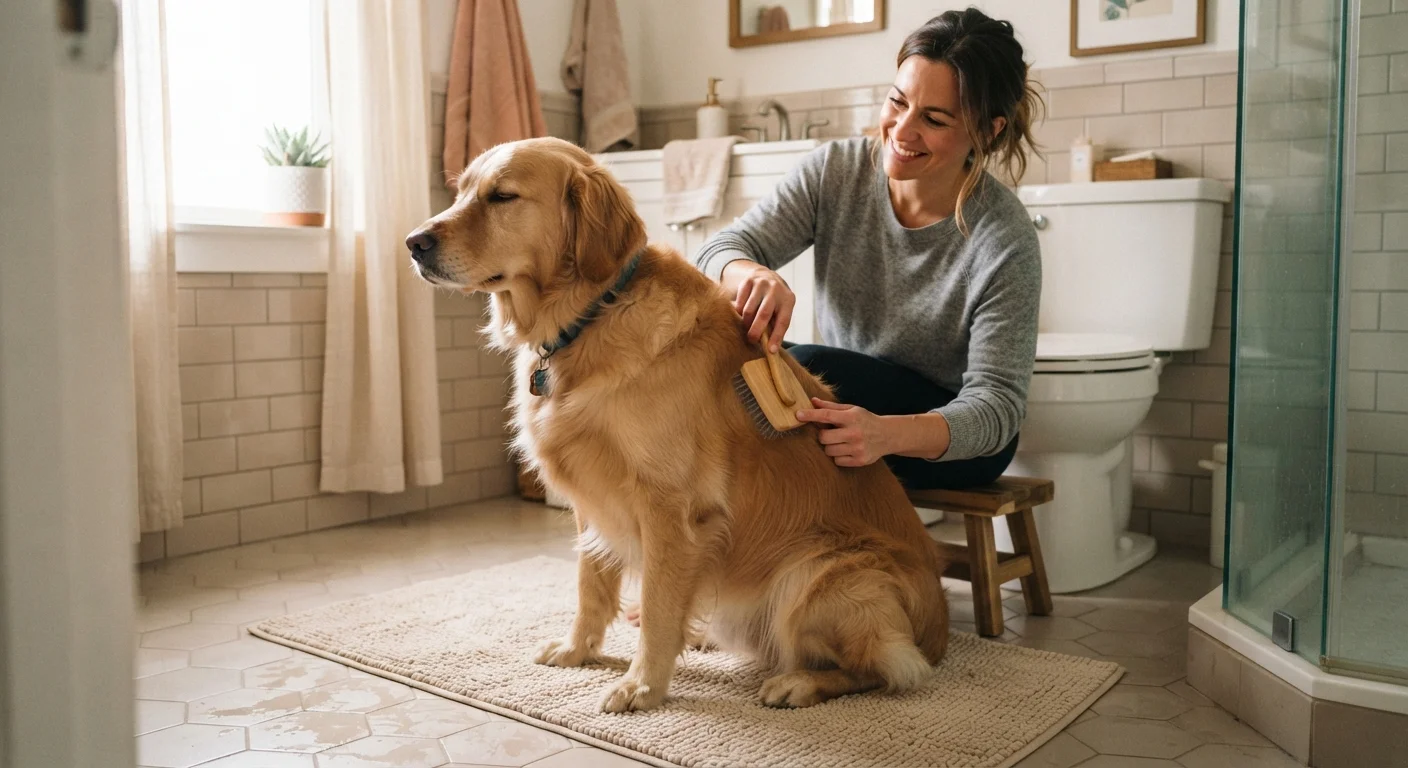
- Brushing: Short-coated dogs (like Beagles or Boxers) typically need brushing once a week. Medium and long coats (like Collies or Golden Retrievers) benefit from brushing several times a week to prevent matting.
- Bathing: Most dogs do well with a bath every four to six weeks, though dogs that spend a lot of time outdoors may need more frequent washing. Over-bathing can strip natural skin oils.
- Nail trimming: Nails should be trimmed roughly every three to four weeks. Overgrown nails can alter your dog's gait and cause joint discomfort over time.
- Ear cleaning: Check ears weekly for redness, odor, or discharge. Dogs with floppy ears (like Cocker Spaniels) are more prone to moisture buildup and may need more frequent attention.
- Teeth brushing: Daily brushing is ideal; even three times a week makes a meaningful difference in preventing dental disease, which is one of the most common health issues in adult dogs.
Getting Your Dog Comfortable With Being Groomed
Many dogs are initially resistant to grooming - especially nail trims and ear handling. The key is desensitization: gradually introducing the tools and sensations in a low-pressure way before any actual grooming happens.
Start by letting your dog sniff the brush or nail clippers. Touch their paws gently without clipping. Reward calm behavior immediately with a small treat or praise. Keep early sessions under five minutes. Over time, most dogs learn that grooming predicts good things rather than discomfort.
This gradual approach applies to any kind of handling. The same principles that help with building trust with small pets through slow, confident handling work well with dogs too - patience and positive association matter more than speed.
When to Call a Professional Groomer
Home grooming handles most routine maintenance, but some tasks are better left to a professional - or at least started with professional guidance. Dematting severely tangled coats, trimming around the eyes and ears on certain breeds, and dealing with dogs that have significant grooming anxiety are all situations where a groomer's experience is valuable.
If your dog's nails are very overgrown or have curled, a vet or groomer should address them first to avoid cutting the quick (the blood vessel inside the nail). Similarly, if you notice persistent ear odor, head shaking, or skin redness during your at-home checks, those are signals to contact your veterinarian rather than treat at home.
This article is for general informational purposes only and is not a substitute for veterinary advice. Always consult a qualified veterinarian with concerns about your dog's health.