

Why Small Pets Hide Illness
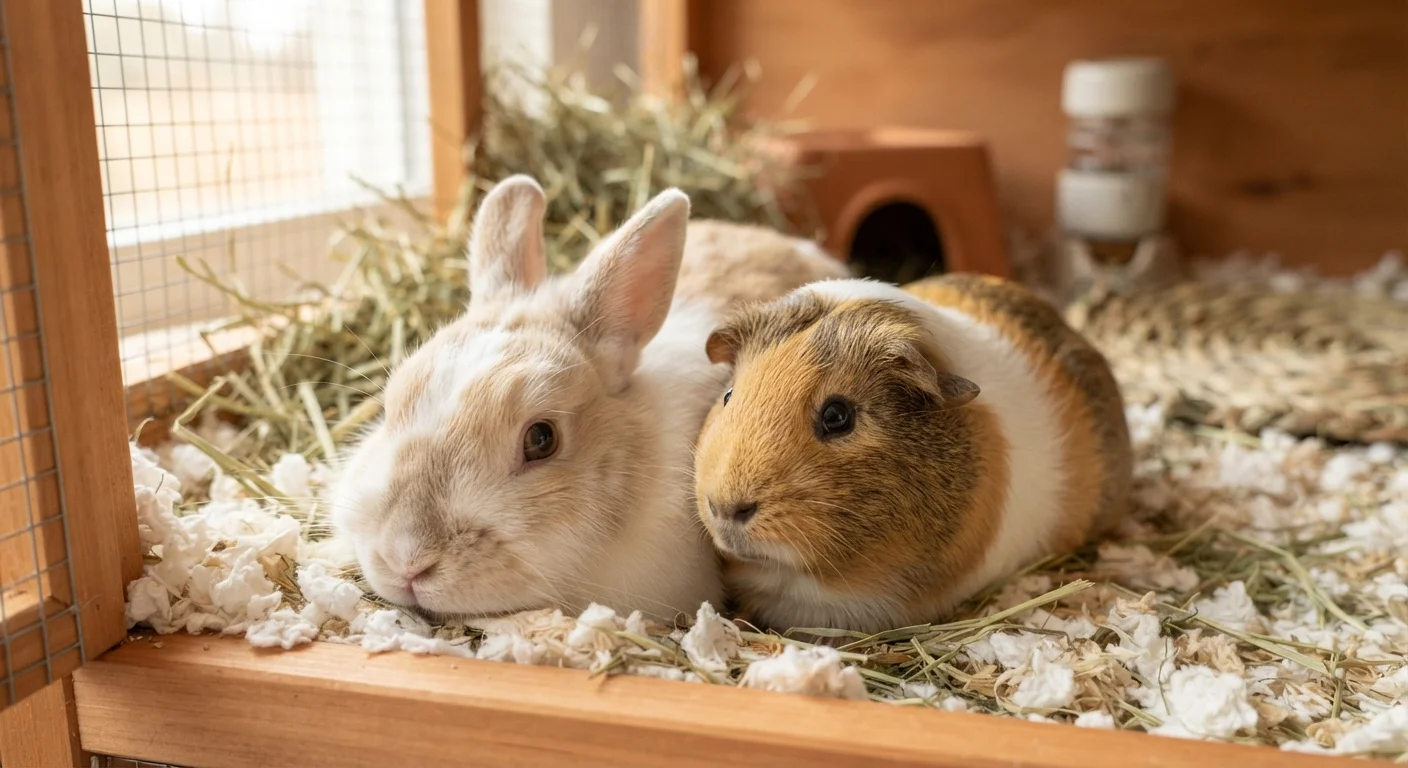
Rabbits, guinea pigs, hamsters, and birds are prey animals by nature. In the wild, showing weakness invites predators, so these species have evolved to conceal pain and illness for as long as possible. By the time an owner notices something is wrong, the animal may already be in serious distress.
This is the core challenge of small pet ownership: the absence of obvious symptoms is not proof of good health. Owners who know their pet's normal baseline - activity level, eating habits, droppings, posture, and vocalizations - are far better positioned to catch changes early.
If you're still deciding which small pet fits your lifestyle, see our guide to choosing between a guinea pig and rabbit for a comparison of their care demands.
Physical Warning Signs to Watch For
Certain physical changes signal that a vet visit is needed promptly. While this list is not exhaustive, these are among the most commonly reported indicators across rabbits, guinea pigs, and pet birds:
- Changes in droppings: Fewer, smaller, misshapen, or absent droppings in rabbits or guinea pigs can indicate a gastrointestinal problem. Rabbits that stop producing fecal pellets for more than a few hours require urgent attention.
- Labored or noisy breathing: Open-mouth breathing in birds or guinea pigs, or audible wheezing in rabbits, is never normal and warrants same-day veterinary contact.
- Discharge from eyes or nose: Wet or crusted discharge around the face, especially in rabbits and guinea pigs, may indicate respiratory infection or dental disease.
- Visible weight loss: A spine or hip bones becoming more prominent, or a noticeably lighter feel when you pick up the animal, can indicate illness even when appetite seems unchanged.
- Abnormal posture or difficulty moving: Head tilting, circling, limping, or an inability to right themselves all warrant prompt evaluation.
- Fluffed feathers in birds: A bird sitting fluffed at the bottom of its cage, or unusually still on its perch, is a classic sign of illness. See our comprehensive bird care guide for more on normal versus concerning behavior.
GI stasis
Gastrointestinal stasis is a condition in which the digestive system slows or stops moving. It is life-threatening in rabbits and guinea pigs and can develop within hours of reduced food intake or stress.
Prey animal response
A survival instinct in animals that are hunted in the wild, causing them to mask signs of weakness or illness. This makes early detection by owners especially important.
Bruxism
The grinding or gnashing of teeth. In small pets like rabbits and guinea pigs, loud tooth grinding (as opposed to soft chattering) typically indicates pain or significant discomfort.
Exotic vet
A veterinarian with training and experience treating non-traditional companion animals, including rabbits, guinea pigs, birds, reptiles, and other small mammals. Not all general practice vets have this expertise.
Fluffing (birds)
When a bird puffs up its feathers to retain heat, it is often a sign of illness. A bird that remains fluffed for extended periods or sits at the cage bottom needs prompt veterinary evaluation.
Behavioral Changes That Signal Trouble
Physical symptoms are only half the picture. Behavioral shifts are often the earliest clues that something is wrong - and they're easy to miss if you're not paying close attention.
- Sudden withdrawal or hiding: A normally social guinea pig or rabbit that retreats and refuses interaction is showing a stress or illness response.
- Reduced or absent appetite: Any small pet that skips meals - even one meal in a rabbit - warrants monitoring. Guinea pigs that stop eating can develop a dangerous condition called gastrointestinal stasis within hours.
- Teeth grinding (bruxism): Loud tooth grinding in rabbits or guinea pigs, as opposed to gentle tooth chattering, often signals pain.
- Aggression or sudden temperament change: An animal that was previously calm becoming reactive or defensive may be responding to physical discomfort.
- Unusual vocalizations: Crying, repeated distress calls, or uncharacteristic silence in a normally vocal bird or guinea pig should prompt attention.
Enrichment and mental stimulation play a role in preventing stress-related health issues. Our article on small pet enrichment covers practical ways to keep small animals mentally active and reduce chronic stress.
When to Go to an Emergency Clinic
If your small pet is unresponsive, breathing with difficulty, or has not eaten or produced droppings for an extended period, don't wait for a regular appointment. Contact an emergency exotic animal clinic immediately. Time is especially critical for rabbits and guinea pigs, whose systems can deteriorate rapidly. Keep emergency vet contact information accessible before a crisis occurs.
Finding and Preparing for an Exotic Vet
Not all veterinarians treat small mammals and birds. General practice vets may have limited experience with rabbits, guinea pigs, or avian patients. Look for a vet who lists exotic animals or small mammals and avian species among their specialties - ideally before you bring your pet home.
Our preparation checklist for new small pets recommends identifying an exotic-knowledgeable vet as part of your setup, not as an afterthought. Keep the clinic's emergency contact saved and know whether they offer after-hours care.
When you call, describe the symptom clearly: when it started, what changed, and any recent changes to diet, bedding, or environment. This helps the vet triage urgency over the phone.
This article is for general informational purposes only and does not constitute veterinary advice. If you are concerned about your pet's health, contact a qualified veterinarian promptly.