

Key Takeaways
Where These Myths Come From
Small pets are often marketed as easy starter animals - simple, contained, and undemanding. That framing, combined with decades of well-meaning but outdated advice, has produced a cluster of stubborn myths about how guinea pigs, rabbits, hamsters, and gerbils actually live. The result: many animals end up housed incorrectly, handled in ways that stress them, or kept in environments that don't meet their real needs.
Understanding what animal behavior research and veterinary guidance actually say makes a meaningful difference in the quality of life for these pets. This article walks through the most common misconceptions - and what to do instead. If you're still deciding which small pet fits your home, the side-by-side species overview is a useful starting point.
Myth
Guinea pigs are fine living alone - they don't really need company.
Fact
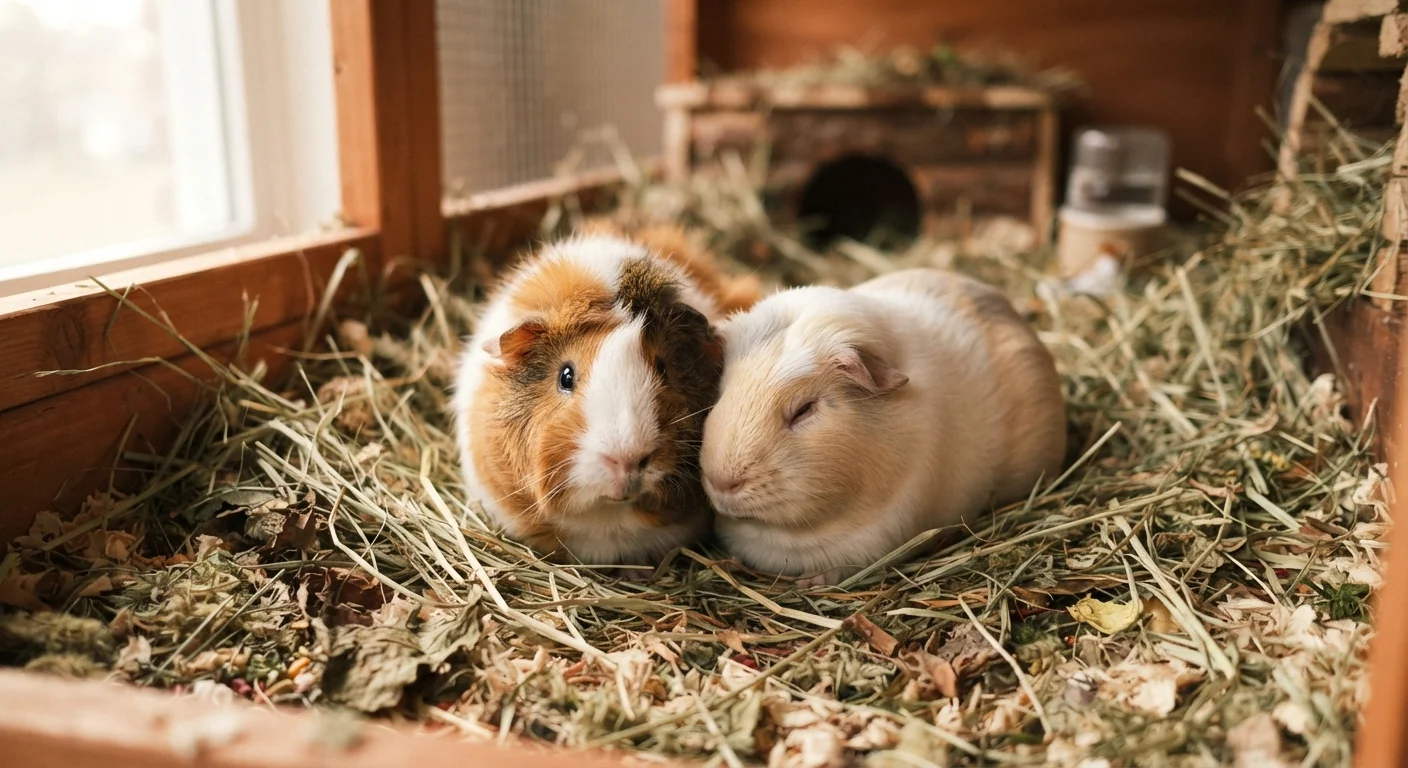
Guinea pigs are highly social herd animals that generally thrive with at least one same-species companion.
In the wild, guinea pigs live in groups and rely on social bonds for security and communication. Kept alone, many guinea pigs show signs of chronic stress and boredom. Switzerland has gone so far as to make it illegal to keep guinea pigs without social companions, reflecting the scientific consensus on their welfare needs. A same-sex pair or small group is usually the recommended approach - though introductions should be done gradually. For a deeper comparison of guinea pig social needs versus rabbits, see Guinea Pig or Rabbit: Choosing the Right Small Pet.
Myth
Rabbits love being picked up and cuddled.
Fact
Most rabbits are prey animals that find being lifted off the ground frightening, not comforting.
Rabbits are ground-dwelling animals. Being grabbed and lifted mimics the sensation of being caught by a predator - even a well-socialized rabbit may struggle, scratch, or go rigid with fear when held. Many rabbits do enjoy human interaction at ground level: sitting nearby, gentle petting, or following their owner around. Respect for a rabbit's communication style, rather than forcing contact, builds far more trust over time. Children especially should be taught how to interact with rabbits safely to avoid injury to both the child and the animal.
Myth
Hamsters are sociable pets that enjoy living with other hamsters.
Fact
Most hamster species, particularly Syrian hamsters, are solitary by nature and will fight if housed together.
Syrian hamsters (the most common pet hamster) are territorial and typically live alone in the wild. Placing two together in a cage frequently leads to serious fighting, sometimes resulting in injury or death. Dwarf hamster species are somewhat more tolerant of companions, but even then, cohabitation requires careful monitoring. The gerbil vs. hamster comparison covers how their social needs diverge significantly - gerbils, for instance, are genuinely social and usually do better in pairs.
Myth
Small pets are low-maintenance and perfect for very young children to care for independently.
Fact
Small pets require daily feeding, habitat cleaning, health monitoring, and enrichment - plus veterinary care.
The idea that a hamster or guinea pig is a manageable first responsibility for a young child underestimates both the animal's needs and a child's developmental capacity. These animals need fresh food and water daily, regular habitat cleaning to prevent ammonia buildup, and enough enrichment to stay mentally healthy. Veterinary costs are also a real consideration - small mammals can develop dental problems, respiratory infections, and other conditions that require professional care. Adult supervision and involvement is essential. The preparation checklist for new small pets outlines what should be in place before any animal comes home.
Myth
Hamsters and guinea pigs are both daytime pets, perfect for kids who want to play after school.
Fact
Hamsters are largely nocturnal or crepuscular, meaning they are most active at night or around dawn and dusk.
Waking a hamster during the day to play disrupts its natural sleep cycle and can cause stress, sometimes leading to biting. Guinea pigs, by contrast, are crepuscular but can adapt more flexibly to household schedules and tend to be more active during daylight hours than hamsters. Understanding each species' natural activity patterns helps set realistic expectations and prevents frustration for both the pet and the owner.
What the Myths Have in Common
Most small-pet myths boil down to one underlying assumption: that a smaller animal has simpler needs. In reality, size has little to do with complexity. Guinea pigs, rabbits, and even hamsters have evolved behaviors shaped by millions of years of ecology - and those behaviors don't disappear because an animal lives in a cage.
1 in 3
Small pet owners underestimate enrichment needs
Animal welfare surveys consistently find that a significant proportion of small mammal owners are unaware of enrichment or space requirements specific to their pet's species.
~5 years
Average guinea pig lifespan in good care
Guinea pigs typically live 4-7 years with appropriate nutrition, companionship, and veterinary care - a longer commitment than many first-time owners anticipate.
Stress in small animals often goes unrecognized because they tend to mask discomfort, a natural defense mechanism that made sense in the wild. Thumping, teeth chattering, repeated pacing, or refusing food can all be signs that something is wrong. If you notice behavioral changes, a veterinarian familiar with exotic or small mammals is the right first contact.
Meeting a small pet's real needs isn't complicated, but it does require knowing what those needs actually are. Enrichment plays a bigger role than many owners expect - see our guide to keeping small pets mentally active for species-specific ideas. And habitat size matters more than most starter cages suggest - the research on space requirements may surprise you.
Small Pets Still Need a Vet
Many owners assume small mammals don't require veterinary visits unless visibly sick. In reality, annual wellness checks with a vet experienced in small mammals can catch dental disease, respiratory problems, and other conditions before they become serious. Finding a vet who sees exotic or small-mammal patients before you bring your pet home is strongly advised.
This article is for general informational purposes only and does not constitute veterinary advice. Always consult a qualified veterinarian for guidance specific to your pet's health and care needs.