

Key Takeaways
Option A
Vertical Storage
The space-multiplying, wall-climbing solution.
Best for: Best for small rooms or tight floor plans where square footage is limited but wall height is available.
Option B
Horizontal Storage
The accessible, spread-out approach.
Best for: Best for households where ease of access, visibility, and low-reach retrieval are priorities.
If you live in a small apartment with limited floor space
Vertical Storage
Tall shelving and wall-mounted units let you store more without consuming precious square footage. See room-by-room ideas in our guide to organizing a small apartment.
If you need frequent, low-effort access to items
Horizontal Storage
Cabinets, drawers, and low consoles keep everyday items at arm's reach without bending or stretching - especially helpful in kitchens and entryways.
If you share your home and need systems everyone will use
Horizontal Storage
Lower, visible storage is easier for multiple people to navigate consistently, reducing the friction that leads to clutter piling up.
If you want to store seasonal or infrequently used items
Vertical Storage
High shelves and stacked bins are perfect for items you don't need daily - keeping them out of the way without discarding them.
If you're working with a larger room and want a balanced look
Vertical Storage
Tall storage anchors a room visually and draws the eye upward, making large spaces feel intentional rather than sparse.
What Do These Terms Actually Mean?
Before diving into which approach works best, it helps to understand what each term describes - without any jargon. If you want a fuller glossary of organization vocabulary, our home organization terms guide is a great starting point.
Vertical storage means using the height of a room to store things - think tall bookshelves, pegboards on walls, over-the-door organizers, or stacked bins reaching toward the ceiling. The core idea is going up instead of out.
Horizontal storage means spreading storage along the floor plane - think dressers, low cabinets, under-bed bins, or wide console tables. The focus is on width and length rather than height.
Neither is inherently superior. They solve different problems depending on your room size, how often you need things, and who else uses the space.
How Each Approach Uses Your Space
The most important distinction is what each approach trades away to gain its advantages.
Vertical storage reclaims floor space. A tall shelving unit that's 12 inches deep but reaches 7 feet high holds the same volume as multiple low cabinets - while leaving the floor open. This matters most in smaller rooms, hallways, or kitchens where every square foot counts. It's also a smart way to store items you don't need frequently, since higher shelves are naturally harder to reach.
Horizontal storage prioritizes accessibility. A low dresser, a kitchen drawer bank, or a wide storage bench keeps items within easy reach without climbing or stretching. What it costs you is floor space - spread-out storage physically takes up more of the room's footprint.
| Criterion | Vertical Storage | Horizontal Storage |
|---|---|---|
| Floor space used | Minimal - small footprint | Larger - spreads along floor |
| Accessibility | Harder at height extremes | Easy, low-reach access |
| Best for small rooms | Yes - maximizes capacity | Less so - consumes floor area |
| Renter-friendly options | Freestanding tall shelves | Most options qualify |
| Visual effect | Draws eye up, adds height | Grounds the room, feels open above |
| Safety considerations | Anti-tip anchoring required | Generally lower risk |
| Ideal storage type | Seasonal or infrequent items | Daily-use items |
In practice, most rooms work best with a combination. Low horizontal storage for daily-use items, vertical storage for seasonal goods, reference books, or anything that doesn't need frequent retrieval.
Safety and Practical Considerations for Vertical Storage
One area where beginners often underestimate vertical storage is wall safety. Tall, freestanding shelves - especially when loaded with books, tools, or pantry goods - can tip if not properly anchored. Most shelf manufacturers include anti-tip hardware; always use it, particularly in homes with children.
For wall-mounted shelving, the weight your wall can support depends on what's behind the drywall. Shelves anchored directly into wall studs (the wooden framing behind the plasterboard) are far more secure than those relying on drywall anchors alone. Our guide to hanging things on walls safely explains studs, anchors, and weight ratings in plain language - worth reading before you install anything heavy.
A Note on Ceiling Height
Standard US ceiling heights run around 8 to 9 feet in most homes. If your ceilings are lower - common in older homes or basement rooms - very tall shelving may not be practical or could feel oppressive. Measure before purchasing any freestanding unit taller than 6 feet, and leave at least a few inches of clearance above the unit for air circulation and ease of installation.
If you're renting, always check your lease before drilling into walls. Many landlords allow small nail holes but restrict larger anchor installations. Freestanding vertical shelves are a renter-friendly workaround.
Matching the Right Approach to Each Room
Different rooms have different demands. Here's a quick breakdown of where each approach tends to perform best:
- Kitchen: Horizontal drawers and lower cabinets make sense for pots, utensils, and daily dishes. Vertical options like wall-mounted magnetic strips or tall pantry cabinets handle spices and dry goods. Our kitchen drawer organization guide covers this in depth.
- Bedroom: Tall wardrobes or double-hang closet rods maximize vertical space for clothing; low dressers handle folded items that need to be grabbed quickly.
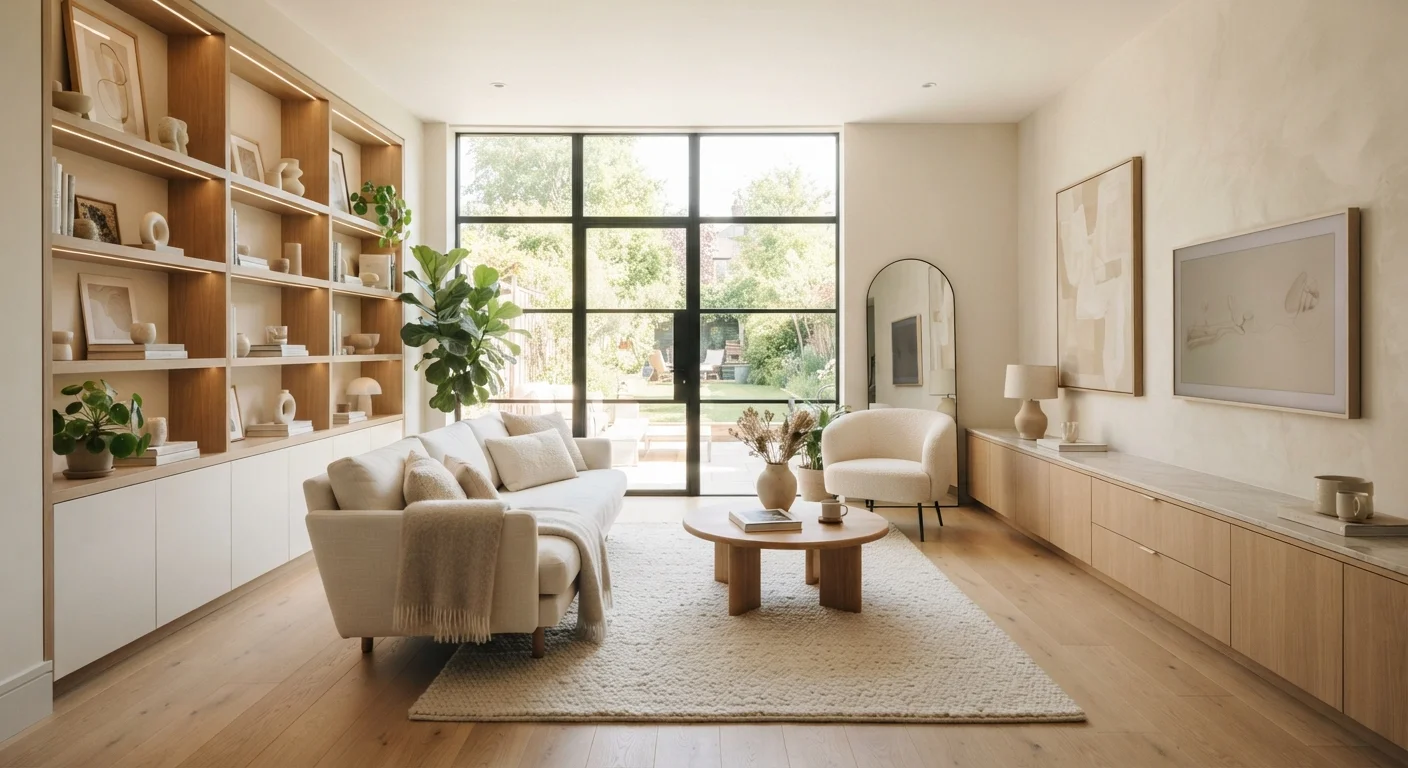
- Living room: Floor-to-ceiling bookshelves create storage and visual impact; horizontal media consoles keep entertainment gear accessible.
- Entryway: Vertical coat hooks and over-door organizers free up floor space; a low bench with storage underneath handles shoes without requiring high-reach effort.
In shared homes, it also helps to involve everyone in the decision. When storage systems match the habits of the people using them, they actually get used. Our article on organizing shared spaces offers practical advice for households with different tidiness standards.
~80%
Of usable wall space left unused in typical homes
Interior organization professionals commonly observe that most households use only a fraction of their available vertical wall space, leaving significant storage capacity untapped.
18-24 in.
Ideal reach height for daily-use horizontal storage
Ergonomics guidelines generally suggest that items retrieved multiple times daily are most comfortably stored between waist and shoulder height - a principle that directly informs horizontal storage placement.