

Key Takeaways
Why Peeling Paint Is Never Just a Paint Problem
When paint starts to curl, bubble, or flake off your interior walls, the instinct is to blame the paint itself. In most cases, though, the paint is simply the messenger. The real culprits are almost always hiding behind the surface - in the wall material, the moisture levels in your home, or the preparation steps that were skipped before the brush ever touched the wall.
Understanding what actually causes paint to peel helps you fix the problem correctly the first time, rather than repainting over a failure that will simply repeat itself. This guide debunks the most common misconceptions beginners carry into a paint repair project.
Myth
Peeling paint just means you bought a low-quality paint.
Fact
Paint quality is rarely the cause. Surface preparation, moisture, and compatibility between layers are the primary drivers of paint failure.
Even professional-grade paint will peel if applied to a surface that wasn't properly cleaned, primed, or dried. The paint itself is the last variable to investigate - start by examining moisture levels and how the surface was prepared before the paint went on.
Myth
You can paint directly over peeling areas after scraping them smooth.
Fact
Painting over a peeling area without addressing the root cause will result in the same failure, often faster than before.
Scraping and repainting is only effective after the underlying problem - whether moisture intrusion, adhesion failure, or incompatible layers - has been resolved. Skipping this step traps the problem under a fresh coat and typically shortens how long the repair lasts.
Myth
Primer is optional if you're using a paint-and-primer-in-one product.
Fact
Combination products work well for maintenance repaints on sound surfaces, but they are not a substitute for dedicated primer on bare drywall, patched areas, or surfaces with staining.
Bare drywall is highly porous and absorbs paint unevenly without a dedicated primer coat, leading to poor adhesion and an uneven finish. Patched spots and water-stained areas also need a sealing primer first - otherwise bleed-through and peeling are likely outcomes.
Myth
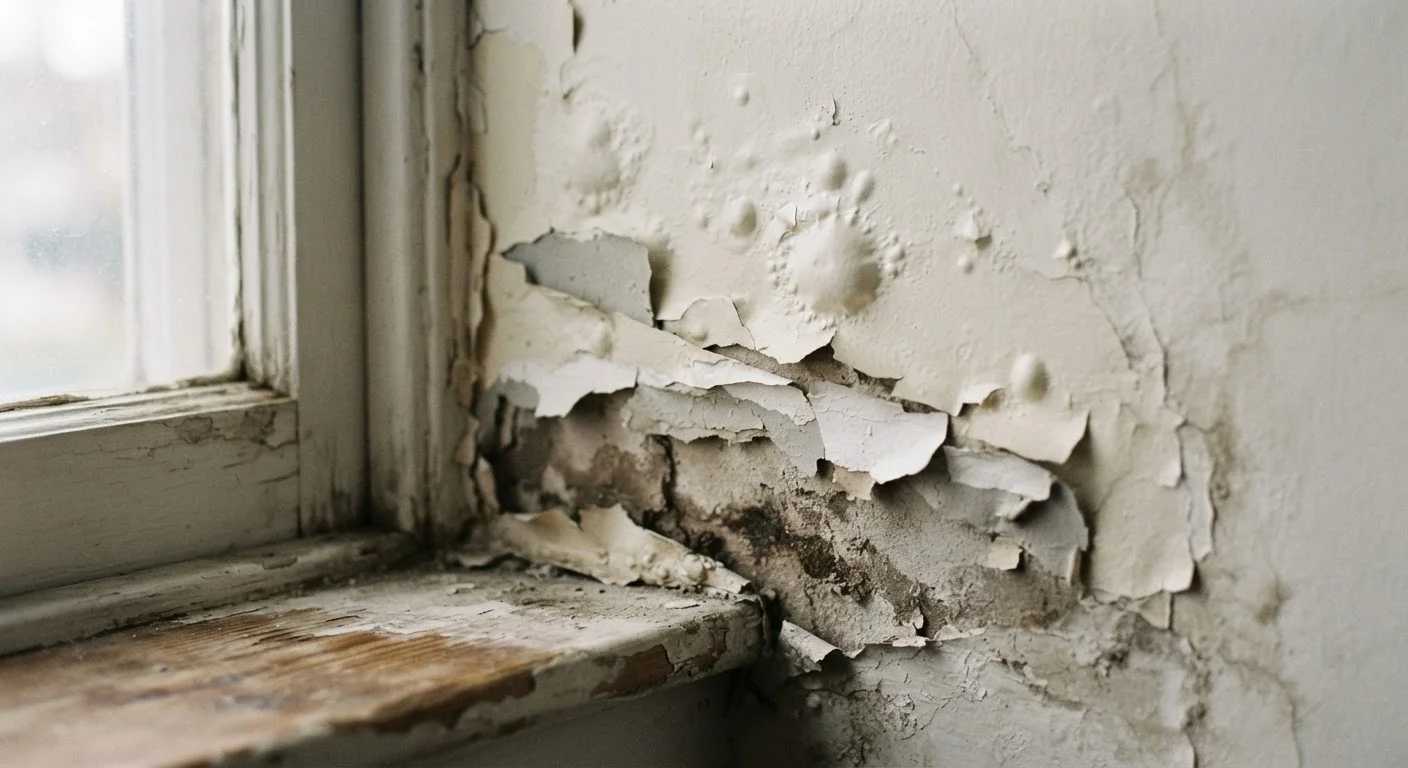
Peeling paint near windows is always a sign of exterior water getting in.
Fact
Condensation on interior window surfaces - caused by warm humid indoor air meeting cold glass - is just as common a cause and easier to overlook.
Interior condensation drips down the wall and saturates the paint film from the living-space side, not from outside. Improving indoor ventilation, using a dehumidifier during winter months, or upgrading to double-pane windows can reduce this type of moisture-related peeling without any exterior repair work.
Myth
Flat paint is fine for any interior room - it just looks more elegant.
Fact
Flat (matte) paint has minimal moisture resistance and is not suitable for high-humidity or high-traffic areas, where it is far more prone to peeling and scrubbing damage.
Sheen level directly affects durability. In bathrooms, kitchens, and laundry rooms, a satin or semi-gloss finish resists moisture and cleans more easily, reducing the likelihood of paint failure over time. Flat paint in these spaces is one of the most common - and preventable - causes of peeling.
Moisture: The Most Underestimated Enemy
Moisture is responsible for more interior paint failures than any other single factor. It enters walls through several routes that aren't always obvious: condensation from temperature differences between a warm room and a cold exterior wall, steam that accumulates in bathrooms and kitchens with poor ventilation, and slow plumbing leaks inside wall cavities.
Fix the Moisture Source First
Never repaint a wall that is still actively damp or where the source of moisture hasn't been identified. Painting over wet or moisture-affected drywall will cause the new paint to fail quickly and can encourage mold growth behind the surface. If you suspect a plumbing leak or significant water intrusion, consult a licensed plumber or contractor before proceeding with any cosmetic repairs.
If paint is peeling in a bathroom, around window frames, or along an exterior wall, moisture is almost certainly involved. Before any repainting, the moisture source must be identified and corrected - otherwise the new paint will fail in the same location within months. Look for signs like staining, soft drywall, or persistent dampness before you pick up a scraper.
Choosing the right finish for high-humidity rooms also matters significantly. See our room-by-room paint finish guide for advice on which sheens hold up best in kitchens and bathrooms.
Surface Preparation and Adhesion Failures
Even when moisture isn't the issue, paint can peel because it never bonded properly to the surface beneath it. This is almost always a preparation problem. Walls that were painted while dusty, greasy, or damp give the paint nothing solid to grip. Glossy existing paint - if not lightly sanded or primed - acts almost like a non-stick surface for new coats.
~80%
Paint failures linked to surface prep
Industry painting professionals widely estimate that the vast majority of interior paint failures are attributable to inadequate surface preparation rather than paint product defects.
1-2 coats
Primer coats typically needed on bare drywall
Most paint manufacturer guidelines recommend at least one full primer coat on new or patched drywall before applying finish paint to ensure proper adhesion.
A fresh coat of paint applied over an incompatible existing layer is another common cause of peeling. Oil-based paint applied over latex (water-based) paint, or vice versa without proper priming, will often delaminate as the two layers expand and contract at different rates with temperature changes.
If your walls are showing streaks or thin spots rather than actual peeling, that points to a different set of issues - our article on why painted walls go patchy walks through those causes separately.