

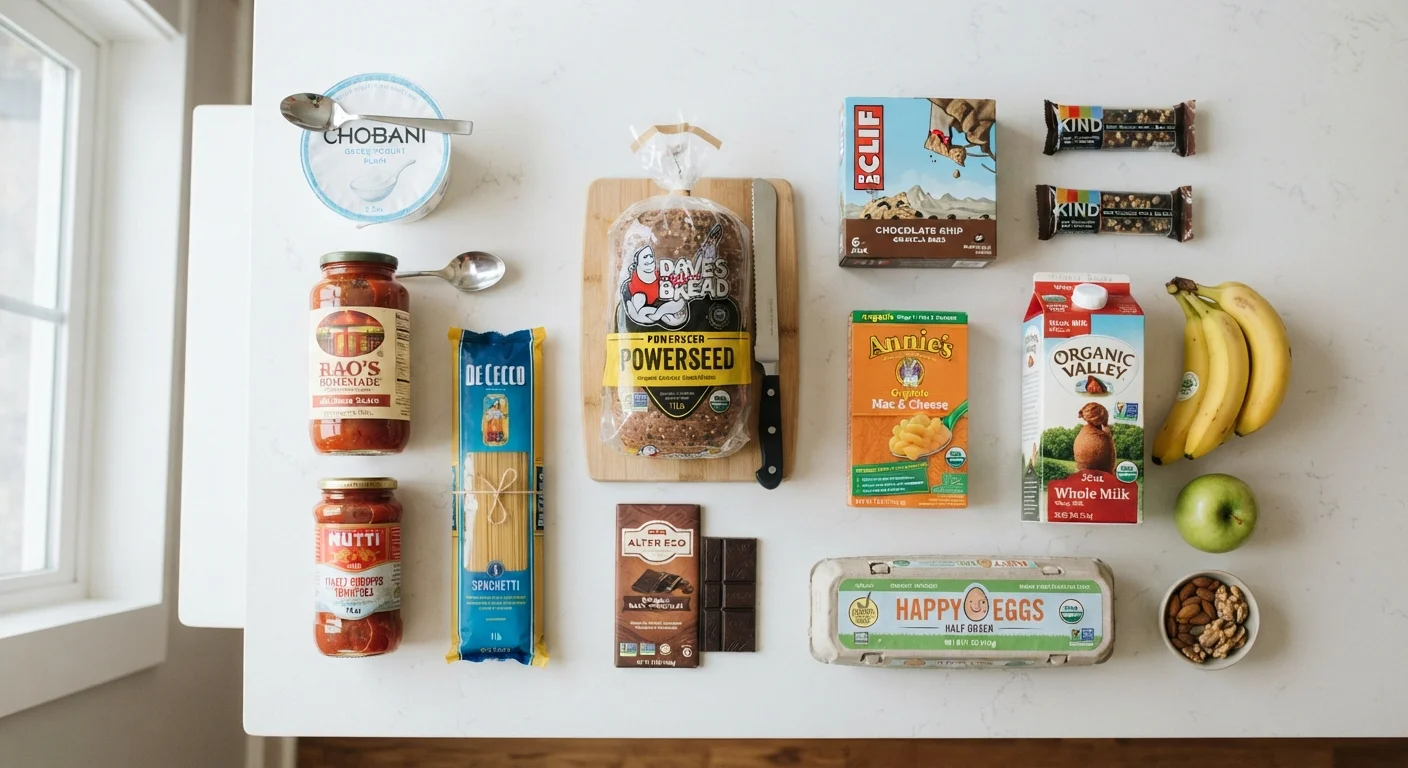
Key Takeaways
Sugar Is Everywhere - Even Where You'd Least Expect It
Most of us know that soda and candy contain a lot of sugar. What catches people off guard is finding it in bread, salad dressing, canned soup, and even deli meat. Added sugar - meaning sugar that's introduced during processing rather than occurring naturally in a food - is one of the more widespread ingredients in the modern food supply.
Understanding where it hides isn't about avoiding every gram. It's about making informed choices and not being surprised. The Nutrition Facts label is your most practical starting point: since 2020, U.S. food labels are required to list "Added Sugars" as its own line, separate from total sugars. That single change makes it much easier to see what's been put in versus what occurs naturally.
Below are some of the most common everyday foods where added sugar tends to go unnoticed - along with what to look for on the label.
Flavored Yogurt
Plain yogurt contains naturally occurring lactose, a milk sugar. Flavored varieties - fruit-on-the-bottom, vanilla, or "light" versions - often contain significant added sugar to balance tartness. A single serving can contain as much added sugar as a small cookie. Check the Added Sugars line, and consider buying plain yogurt and adding fresh fruit yourself.
A single serving of flavored yogurt can carry as much added sugar as a small cookie.
Pasta Sauce and Tomato-Based Condiments
Tomatoes are naturally acidic, so many jarred pasta sauces and ketchups include added sugar to mellow that sharpness. Even sauces marketed as "simple" or "garden fresh" can carry several grams per half-cup serving. Scan the ingredient list for terms like sugar, cane sugar, or high-fructose corn syrup near the top.
Jarred pasta sauce often contains added sugar to balance the natural acidity of tomatoes.
Bread and Sandwich Rolls
Bread manufacturers frequently add sugar to improve browning, texture, and shelf life. Whole wheat and multigrain breads are not exempt - some contain more added sugar than white varieties. Two slices can contribute 2-4 grams without you tasting any noticeable sweetness. Look for sugar, honey, or molasses in the first five ingredients as a clue.
Whole wheat bread can sometimes contain more added sugar than its white counterpart.
Salad Dressings
Low-fat and fat-free dressings are especially prone to added sugar. When fat is reduced, manufacturers often compensate with sugar or salt to maintain flavor. A two-tablespoon serving of a popular low-fat French or balsamic dressing can contain 4-6 grams of added sugar. Oil-and-vinegar options are generally lower.
Low-fat dressings often replace removed fat with added sugar to preserve flavor.
Granola and Breakfast Cereals
Granola has a health-forward image, but oats alone don't taste sweet - most commercial granolas are coated with honey, brown sugar, or syrup before baking. The same applies to many cereals marketed to adults. A serving that looks modest can deliver 10-15 grams of added sugar. Comparing labels side by side across brands is the most reliable approach.
Granola's wholesome reputation often masks a substantial coating of honey or syrup.
Protein Bars and "Healthy" Snack Bars
Products positioned as meal replacements or workout fuel frequently contain as much added sugar as a candy bar. Dates, brown rice syrup, cane juice, and agave are common sweeteners used because they sound less processed than plain sugar - but they function the same way metabolically. Reading the Added Sugars line, not just the marketing copy, gives you the real picture.
"Natural" sweeteners like agave or brown rice syrup function the same way as plain sugar.
Canned Soups and Baked Beans
Savory soups - tomato, butternut squash, minestrone - often contain added sugar for balance and palatability. Canned baked beans can contain molasses or brown sugar as a primary flavor component, sometimes contributing 10-12 grams per serving. Because these foods taste salty rather than sweet, the sugar content is easy to overlook entirely.
Savory soups taste salty, which makes their added sugar content easy to completely overlook.
Putting It All Together
None of these foods need to be eliminated. The goal is awareness - knowing that a flavored yogurt, a bowl of savory soup, and a slice of bread can each carry a few grams of added sugar that quietly accumulate across a day. Once you start reading labels with this in mind, the pattern becomes clear quickly.
A Simple Habit: Read Three Labels a Week
You don't need to audit your entire pantry at once. Try picking three packaged foods per grocery trip and checking the Added Sugars line before putting them in your cart. Over a few weeks, you'll build a reliable mental map of which categories tend to run high. Small, consistent habits like this make label-reading feel natural rather than stressful.
If you'd like a structured approach to label-reading beyond just sugar, the Nutrition Label Checklist walks through serving size, sodium, and ingredient order in one place. And if you're curious how sugar fits into broader eating habits, eating patterns that quietly undermine an otherwise decent diet explores the bigger picture.
This article is for general informational and educational purposes only and is not a substitute for professional medical or dietary advice. Consult a qualified healthcare provider or registered dietitian for guidance specific to your health needs.
The Many Names for Added Sugar
Sugar appears on ingredient lists under more than 60 names. Common ones include high-fructose corn syrup, cane juice, dextrose, maltose, barley malt, agave nectar, brown rice syrup, and fruit juice concentrate. Ingredients are listed in descending order by weight, so if any sugar alias appears in the first three or four ingredients, that food likely contains a meaningful amount. Familiarizing yourself with a handful of these names is enough to catch the most common cases.