

Key Takeaways
Start here
What a Maintenance Schedule Actually Is
Build your vocabulary
The Key Terms You'll See (Explained Plainly)
Know the intervals
The Most Common Service Intervals and What They Cover
Stay organized
How to Track Your Maintenance Without Losing Track
Understand the stakes
What Happens When You Skip Services
What a Maintenance Schedule Actually Is
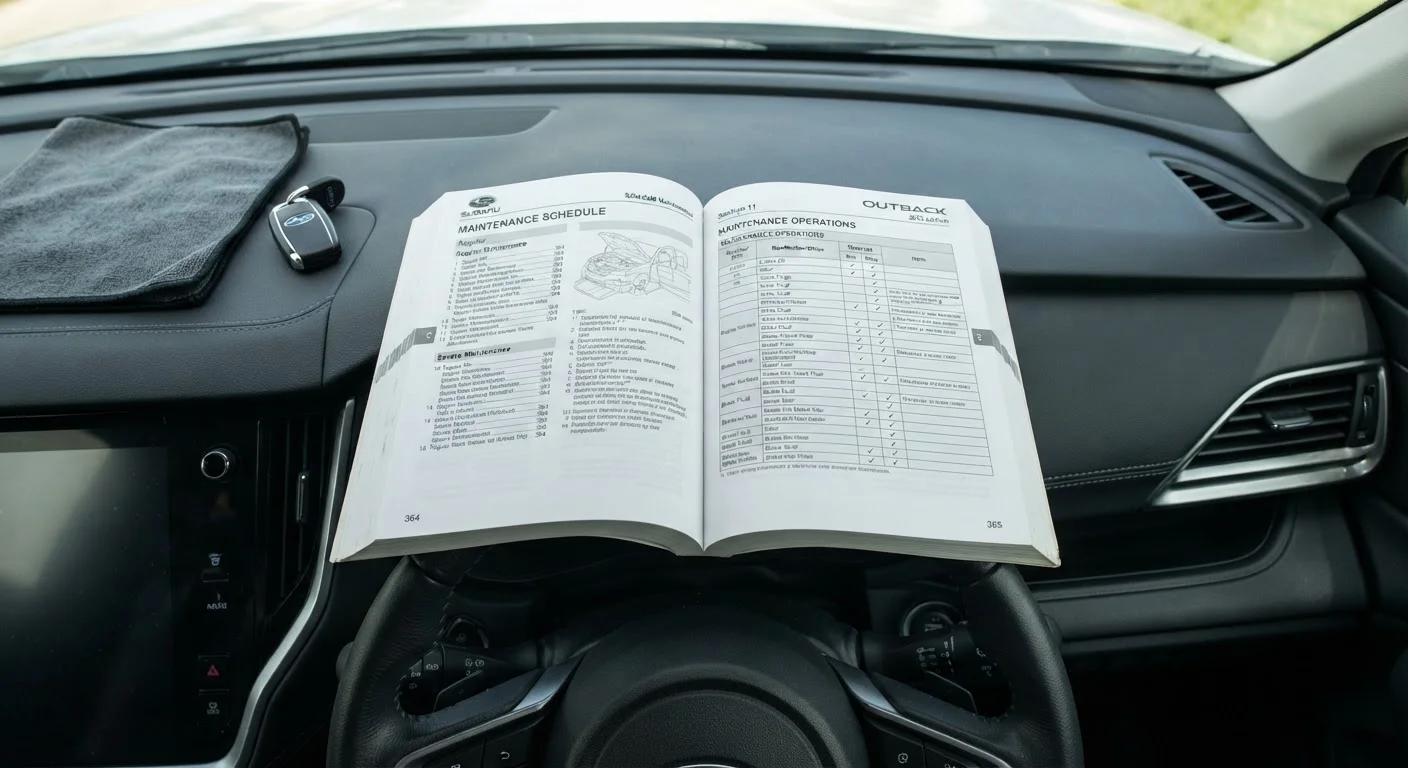
A maintenance schedule is a list of service tasks - oil changes, filter replacements, fluid checks, belt inspections - along with the mileage or time intervals at which your manufacturer recommends each one. It's not a sales pitch from a shop. It's engineering guidance based on how your specific engine and drivetrain wear over time.
The authoritative source for your schedule is your owner's manual. Every car has one, and the schedule inside is calibrated to your vehicle's exact components. As a starting point, the owner's manual guide explains how to navigate this document so you can find what you need quickly.
Most schedules use two triggers: mileage and elapsed time. Whichever comes first is when the service is due. A car that sits in a driveway for a year still needs an oil change even if it has barely moved.
The Key Terms You'll See (Explained Plainly)
Maintenance schedules can read like a checklist written for mechanics. Here are the terms beginners most commonly stumble on:
Service interval
The mileage or time gap between scheduled maintenance tasks. For example, 'every 7,500 miles or 12 months' means service is due when either limit is reached first.
Fluid flush
Completely draining and replacing a fluid (like coolant or brake fluid) rather than just topping it off. Old fluid degrades and can harm the systems it's meant to protect.
Timing belt
A rubber belt inside the engine that keeps the crankshaft and camshaft synchronized. If it breaks, the engine can suffer serious internal damage.
Severe service conditions
Driving patterns - like frequent short trips, towing, or extreme temperatures - that put extra stress on the vehicle and typically require more frequent maintenance.
Tire rotation
Moving each tire to a different position on the car (front to back, side to side) so they wear down evenly and last longer.
OEM specification
The exact fluid type, part grade, or service standard recommended by the vehicle's original manufacturer - not a generic or aftermarket alternative.
One common point of confusion: schedules often list two columns - normal service and severe service. If you do a lot of short city trips, drive in extreme heat, tow loads, or idle frequently, you likely fall into the severe category and need more frequent service on several items.
The Most Common Service Intervals and What They Cover
While exact intervals vary by vehicle, most maintenance schedules cluster around a handful of recurring checkpoints:
- Every 5,000-10,000 miles: Oil and oil filter change. The correct interval depends on whether your car uses conventional or synthetic oil - your manual specifies which. See synthetic vs. conventional oil for a full breakdown of the differences.
- Every 5,000-7,500 miles: Tire rotation. Moving tires between positions evens out wear and extends their usable life.
- Every 15,000-30,000 miles: Air filter replacement, cabin air filter replacement, brake fluid inspection.
- Every 30,000-60,000 miles: Spark plug replacement (varies significantly by plug type), transmission fluid change, coolant flush.
- Every 60,000-100,000 miles: Timing belt replacement on vehicles that have one (not all do - check your manual). This is a critical item; a snapped timing belt can cause major engine damage.
Your Manual Has Two Schedules - Use the Right One
Most owner's manuals list both normal and severe service intervals. Take a honest look at your typical driving: lots of short errands, stop-and-go traffic, or extreme heat or cold puts you in the severe category. Following normal intervals when your driving is actually severe can accelerate wear significantly.
Dashboard warning lights sometimes signal that a service interval has passed, but don't rely on them as your only reminder. The dashboard warning lights guide explains what each light means and when it demands immediate attention.
How to Track Your Maintenance Without Losing Track
Keeping records is simple once you build the habit. A few practical approaches:
- Keep a small notebook in your glove box. Note the date, mileage, and service performed after every visit. This costs nothing and pays dividends when you sell the car.
- Ask for receipts and file them. Shops provide itemized records - keep them in a folder at home or scan them to your phone.
- Use a free maintenance app. Several apps let you log services and set mileage or date reminders. Your car's odometer reading is all you need to get started.
- Check your mileage monthly. A quick glance tells you how close you are to the next service interval before it sneaks up on you.
For a broader look at the ownership habits that protect your car long-term, habits that keep a car running well is worth reading alongside this guide.
What Happens When You Skip Services
Routine maintenance isn't just about avoiding breakdowns - though that matters too. Here's what deferred service typically leads to:
- Degraded engine oil loses its ability to lubricate and cool engine parts, accelerating wear. Over time, this can cause engine damage that costs thousands to repair.
- Worn brake pads left unchecked eventually grind into rotors, turning a straightforward pad replacement into a significantly more expensive rotor replacement job.
- Old coolant becomes acidic and can corrode your radiator and engine seals from the inside.
- A neglected timing belt that snaps can bend engine valves or worse - depending on your engine type, it may total the motor.
Skipping Services Can Void Your Warranty
If your car is still under a manufacturer's powertrain warranty, failing to perform scheduled maintenance at the recommended intervals can give the manufacturer grounds to deny a warranty claim. Keep your service records - they're your proof of compliance if you ever need to make a claim.
Keeping up with your schedule also protects your resale value. Buyers and dealers check service history. A car with documented, on-time maintenance is demonstrably worth more than one with gaps. The first car maintenance schedule article gives a practical starting checklist if you're new to ownership and want a clear sequence to follow.