

Key Takeaways
Shoulder Season
Shoulder season refers to the travel periods that fall between a destination's peak tourist season and its quiet off-season. These windows - typically spring and fall for many destinations - offer a middle ground where crowds are thinner and prices are more moderate than during the busiest months. Travelers in shoulder season often enjoy the same attractions without the long lines or premium costs that come with peak demand.
The exact dates of shoulder season vary by destination and are driven by factors like school calendars, climate patterns, local holidays, and regional events that influence when the bulk of visitors arrive.
What Shoulder Season Actually Means
Every destination has a rhythm. Tourists flood in during peak season - summer beach holidays, winter ski trips, festival weekends - pushing prices up and patience thin. Then there's the off-season, when visitor numbers drop sharply, some businesses close, and conditions may be genuinely difficult for travelers. Shoulder season sits in between: the quieter periods just before or just after the peak rush.
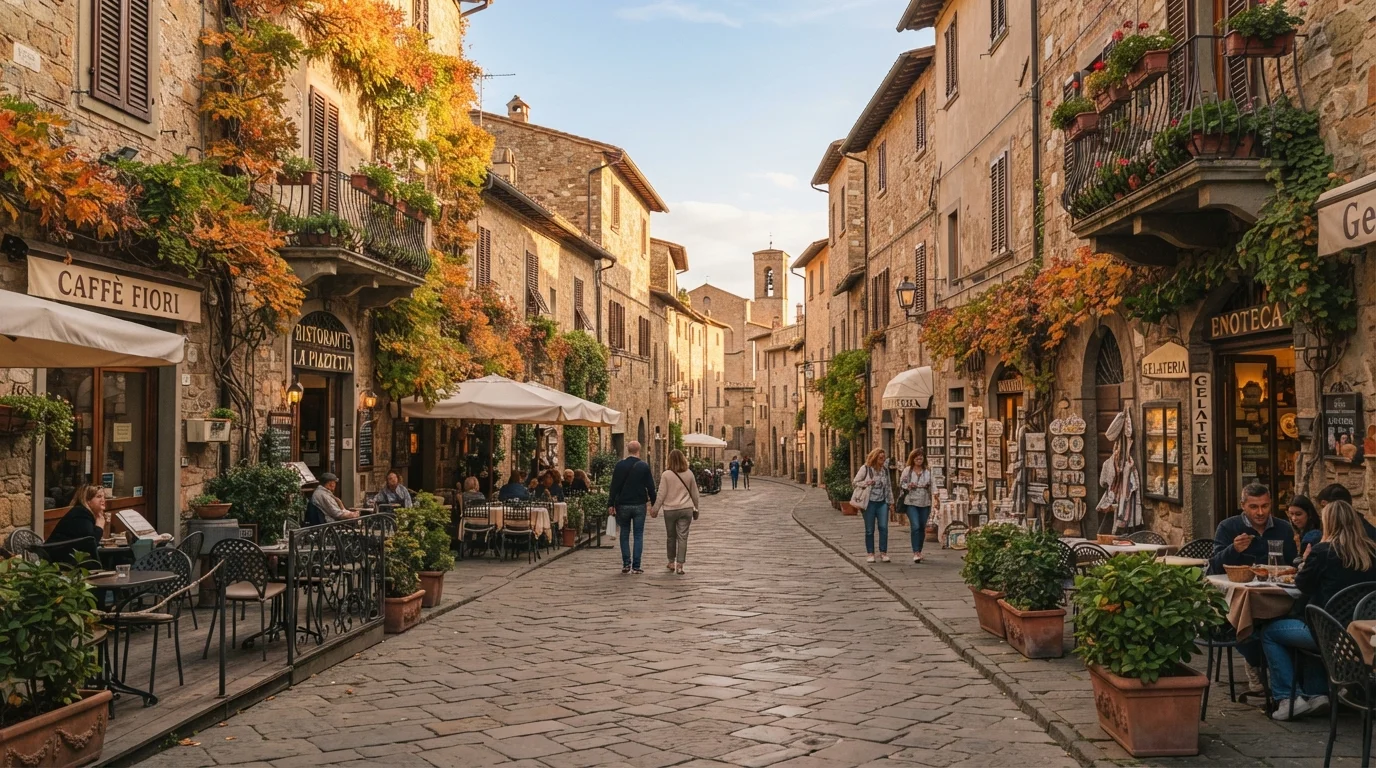
Think of it as the sweet spot. Demand has eased enough that prices soften and attractions breathe again, but the destination is still fully open for business. A popular European city in late September, for example, sees far fewer visitors than in July, yet most museums, restaurants, and tour operators are still running normally.
Shoulder season is a core concept covered in any budget travel glossary, and for good reason - understanding it can fundamentally change how you plan a trip.
20-40%
Typical hotel rate reduction in shoulder vs. peak season
Industry travel analysts and booking platforms commonly observe this range of savings when comparing shoulder and peak-season accommodation rates at popular destinations.
2-3 weeks
Average length of a shoulder season window
Shoulder periods vary by destination but often span a few weeks on either side of peak season, giving travelers meaningful flexibility in timing.
Why Prices Drop During Shoulder Season
Travel pricing is driven by supply and demand. When millions of travelers all want to visit the same place at the same time, airlines and hotels raise prices to match that demand. When visitor numbers fall, prices follow. Shoulder season represents a predictable dip in that demand curve.
Airlines may reduce fares on certain routes to fill seats that would otherwise go empty. Hotels and vacation rentals often lower nightly rates or offer more flexible cancellation terms. Even guided tours and local experiences may cost less when operators aren't fully booked weeks in advance.
For budget-conscious travelers, this matters significantly. If you're already working on stretching a week abroad on a tight budget, shifting your travel dates by a few weeks can free up meaningful funds without cutting any experiences from your itinerary.
Search Fares Across a Range of Dates
Instead of searching for flights on a fixed date, use the flexible-dates or price calendar feature available on most flight search tools. This lets you visually compare fares across several weeks and quickly spot the cheaper shoulder-season windows on either side of the peak period. Even a shift of five to seven days can result in noticeably lower fares.
What to Expect on the Ground
Traveling in shoulder season isn't just about paying less - it often changes the feel of a trip entirely. Popular landmarks that are wall-to-wall visitors in July may be genuinely enjoyable to explore in October. You'll spend less time in queues, have an easier time getting restaurant reservations, and find it simpler to interact with local residents rather than navigating tourist-saturated crowds.
The trade-off is weather unpredictability. Peak seasons often coincide with the most reliable weather, and shoulder season sits outside that window. You might encounter occasional rain, cooler temperatures, or shorter daylight hours. That doesn't mean the trip suffers - it means you should plan for it. Our guide on packing for different climates in a single trip is particularly useful here, since layering versatile clothing lets you adapt without overpacking.
How to Find Your Destination's Shoulder Season
There's no universal calendar for shoulder season - it depends entirely on where you're going. A few practical steps help you identify it for any destination:
- Look at flight price trends over a full year for your target destination. The weeks where prices drop notably on either side of a peak period are usually shoulder season.
- Check local weather guides to understand what the climate looks like during those lower-demand months - and decide whether you're comfortable with it.
- Review local event calendars, since a major festival or national holiday can temporarily spike prices and crowds even in an otherwise quiet month.
- Verify what's open, especially for destinations where seasonal businesses close entirely in the off-season. Shoulder season is generally safe, but it's worth confirming that key attractions will be accessible.
Pair this research with awareness of hidden costs that blow travel budgets so your savings from timing your trip well aren't eaten up by fees you didn't anticipate. And if you're planning to stay in one place for an extended period - a strategy that pairs well with shoulder season - slow travel principles can stretch your budget even further.
“The best time to visit somewhere is often just before everyone else decides it's the best time to visit.”
— Rick Steves, Travel writer and public television host known for European travel guides