

Key Takeaways
Why Getting Around Cheaply Is a Skill Worth Learning
Transportation is one of the biggest drains on a travel budget - and one of the easiest to control once you know your options. In most cities around the world, you don't need a rental car or expensive taxis to move around comfortably. Public systems, human-powered options, and a little planning can take you almost anywhere for a fraction of the cost.
If you're still putting together the foundation of your trip, our step-by-step trip planning guide covers everything from choosing a destination to understanding your budget before you leave home. Once the basics are set, this guide focuses on what happens on the ground - specifically, how to move around without overspending.
The strategies below work in cities across the US and internationally. The key is treating transportation as a deliberate choice rather than an afterthought.
Walk Whenever Distance Allows
Walking costs nothing and offers something no other mode of transport can match: the chance to actually experience a city at street level. Many travelers are surprised to discover that attractions they assumed were far apart are actually a 10-15 minute walk from each other.
Before relying on an app to tell you how to get somewhere, pull up a map and check the distance manually. Anything under a mile is almost always walkable if time and weather allow. Pack comfortable shoes, load an offline map so you're not burning data, and you've eliminated an entire category of transport spending.
Many attractions are closer than they appear - check the map before assuming you need transport.
Use Multi-Day or Unlimited Transit Passes
Most cities with a subway, bus network, or tram system offer day passes or multi-day unlimited-ride cards. These almost always work out cheaper than paying per ride - sometimes dramatically so.
A single subway ride in a major US city can cost $2.50-$3.50. A 24-hour or 48-hour unlimited pass in the same city may cost $8-$13. If you're taking more than three trips a day - which is common when sightseeing - the pass pays for itself quickly.
Look for these passes at airport transit desks, staffed ticket counters, or through the city's official transit app. Avoid purchasing from third-party resellers, as these are sometimes fraudulent or unusable.
A 24-hour unlimited pass often pays for itself after just three rides in a single day.
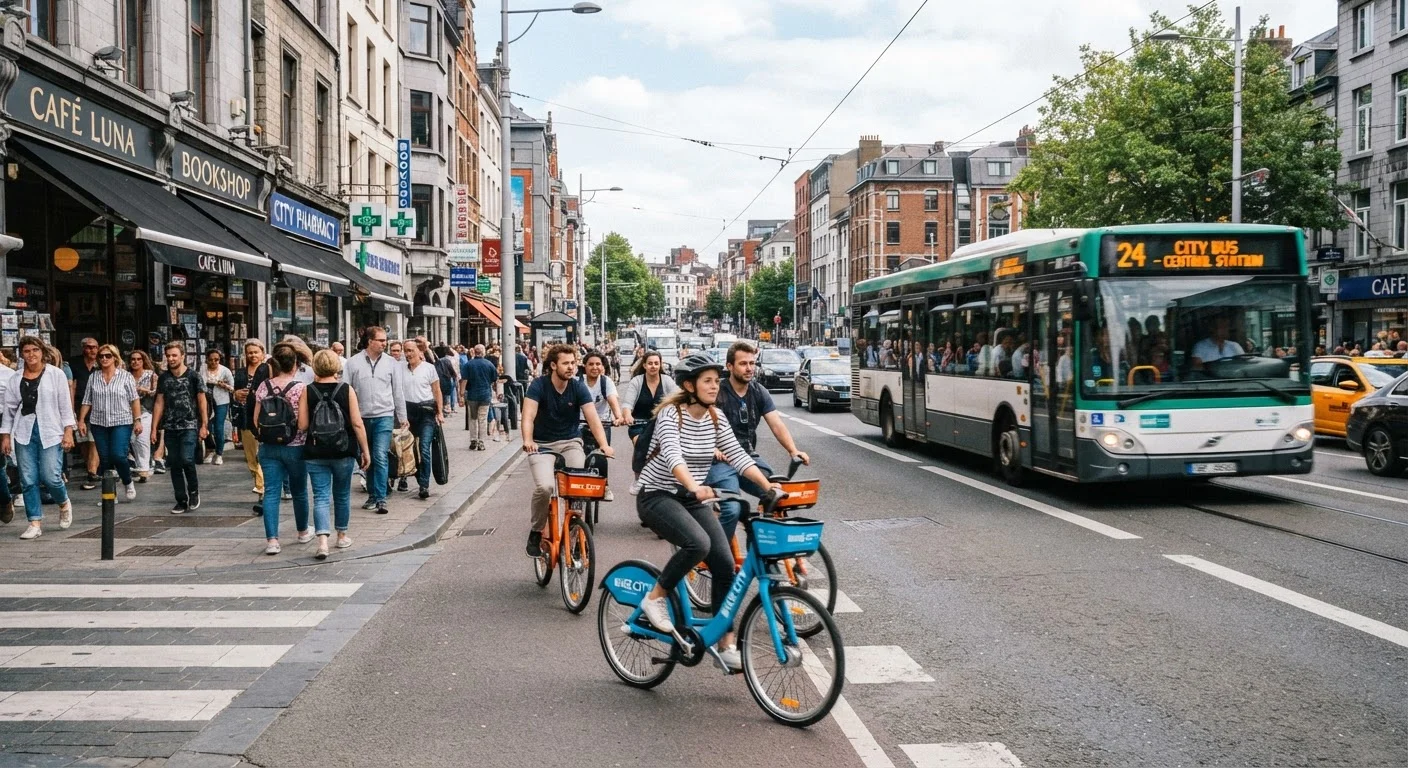
Tap Into Bike-Share Programs
Bike-share programs exist in hundreds of cities across the US and internationally, offering docked or dockless bicycles you can rent by the minute, hour, or day. They're ideal for short to medium distances where walking takes too long but transit feels unnecessary.
Most programs have a low base fee for short rides - often under $5 for 30-45 minutes - and some cities offer tourist day passes that allow unlimited short trips for a flat rate. Download the program's app before you arrive, add a payment method, and you're ready to go.
Note: traffic conditions, helmet laws, and cycling infrastructure vary significantly by city. Check local rules before riding, and stick to marked bike lanes where available.
Bike-share day passes often allow unlimited short trips for less than the cost of two subway rides.
Ride Rideshare Apps Selectively, Not by Default
Rideshare apps are convenient, but defaulting to them for every trip is one of the fastest ways to blow a transport budget. A single rideshare trip during peak hours in a busy city can cost as much as a full-day transit pass.
The smart approach is to use rideshare for specific situations: late-night travel when transit has stopped, trips with heavy luggage, or reaching destinations not served by public transit. For everything else, exhaust the cheaper options first.
It's also worth noting that if you prefer driving yourself in a new city, our guide on staying oriented while driving in an unfamiliar city covers how to navigate confidently without over-relying on GPS.
Use rideshare as a fallback for specific situations, not as your default mode of getting around.
Download Offline Maps Before You Leave Your Accommodation
This isn't a transport mode - it's a strategy that makes every other option work better. Roaming data charges and unreliable connectivity can turn a simple navigation task into an expensive or stressful experience.
Apps like Google Maps allow you to download entire city maps for offline use while connected to Wi-Fi. Once downloaded, you can get turn-by-turn walking directions, view transit routes, and check distances without using any mobile data. This also means you're not stranded if your signal drops in a tunnel or unfamiliar neighborhood.
For a broader look at keeping costs down across your whole trip, see our guide on stretching a week abroad on a tight budget, which covers transport alongside accommodation and daily spending.
Offline maps eliminate data costs and keep you navigating confidently even without a signal.
Ask Locals and Accommodation Staff for Route Tips
Hotel front desk staff, hostel workers, and Airbnb hosts often know shortcuts, free shuttle routes, or local transit tricks that don't appear in any guidebook or app. A two-minute conversation at check-in can save you both money and time.
Questions worth asking: Is there a free city shuttle or trolley? Which bus goes to the main attractions? Are there any transit apps specific to this city that work better than general navigation tools? Locals also tend to know which transit routes feel unsafe at certain hours - information that's genuinely useful for first-time visitors.
A quick chat with accommodation staff can reveal local transit shortcuts no app will show you.
Putting It All Together Before You Arrive
The travelers who spend the least on getting around are usually the ones who researched their options before landing. Spend 20-30 minutes before your trip identifying the city's main transit system, whether a bike-share exists, and which neighborhoods are walkable from your accommodation.
Plan Your Transit Route the Night Before
Before heading out each morning, spend five minutes mapping your planned route using the city's official transit app or an offline map. Knowing which line to take and where to transfer removes the stress of figuring it out in real time - and reduces the chance of missing a connection and defaulting to a more expensive option.
Transportation savings compound with other budget decisions. Pairing cheap transit with affordable eating habits - covered in our guide on eating well without draining your travel fund - can meaningfully extend how long your money lasts. For a broader look at keeping all travel costs down, budget travel fundamentals for first-timers offers a solid starting framework. Moving on foot or by bike also has an unexpected bonus: it keeps you active, which aligns naturally with the principles outlined in building an active lifestyle without requiring any extra effort.
This article is for general informational purposes only. Transportation options, fares, and availability vary widely by city and change over time. Always verify schedules, costs, and service coverage directly with local transit providers or official city resources before you travel.