

Key Takeaways
Why Food Costs Can Surprise First-Time Travelers
Food is one of the most underestimated travel expenses. Many first-timers budget carefully for flights and accommodation, then find that three meals a day - especially in unfamiliar cities - quietly drains their reserves. The good news: eating well and eating cheaply are not mutually exclusive. In fact, some of the most memorable travel meals happen far from sit-down restaurants.
If you're still building out your overall spending plan, our guide to planning around a fixed budget walks through how to allocate money across all categories before you leave home. Getting food costs under control starts with a realistic daily allowance.
~30%
Of travel budget spent on food and drink
Travel industry research consistently suggests food and drink account for roughly 25-35% of a typical traveler's total trip spending, making it one of the largest controllable cost categories.
1 meal
Daily self-catered meals needed to cut food costs noticeably
Replacing just one café or restaurant meal per day with market or grocery items can reduce overall food spending by an estimated 20-30% over a week-long trip.
Proven Practices for Eating Affordably on the Road
The strategies below are drawn from practical travel experience and apply whether you're in a major European city, a Southeast Asian town, or anywhere in between. Pick the ones that suit your style and destination.
Eat where locals eat, not where tourists congregate.
Restaurants adjacent to major landmarks frequently charge a premium for location alone. Venturing one or two streets away - or asking accommodation staff where they personally eat - typically yields better food at a fraction of the price.
Make lunch your main meal of the day.
Many restaurants around the world offer set lunch menus - sometimes called a 'prix fixe' or 'menú del día' - that include multiple courses for a fixed, lower price. The same kitchen, the same quality, but meaningfully cheaper than the dinner menu.
Shop at local markets and grocery stores for at least one meal daily.
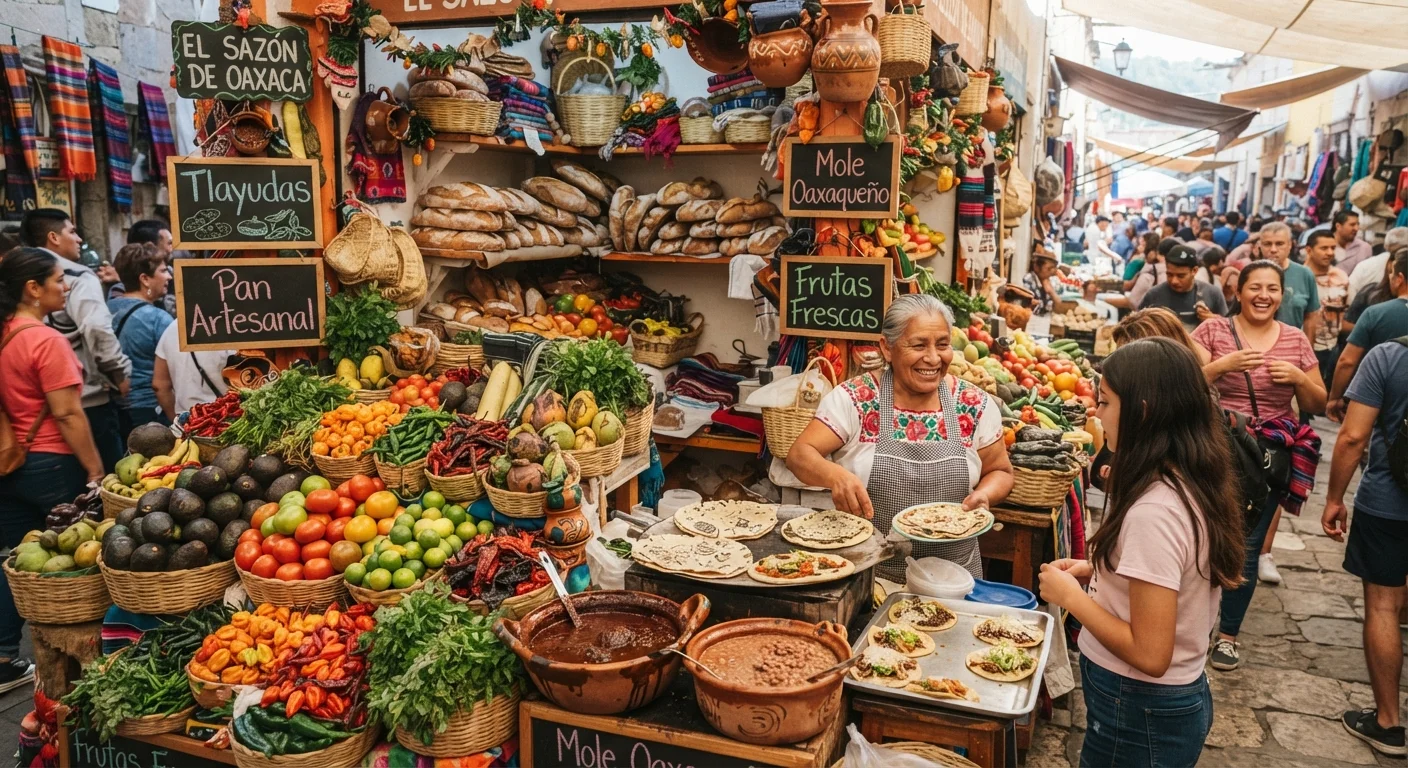
Self-catering even one meal - typically breakfast or a packed lunch - removes an entire restaurant bill from your day. Markets also give you direct access to local ingredients, which is an experience in itself.
Embrace street food and food stalls.
In many destinations, street food is not a compromise - it is the authentic local food culture. It is often freshly prepared, inexpensive, and reveals more about a place than any sit-down restaurant could.
Carry a refillable water bottle and avoid buying bottled drinks with every meal.
Bottled water, sodas, and juices add up quickly across a week of travel. Where tap water is safe to drink, a refillable bottle eliminates this cost entirely. Where it is not, a filtered bottle or purification tablets are a worthwhile upfront investment.
Set a daily food budget before you leave and track it loosely.
Without a rough target, it is easy to spend inconsistently - very little one day and far too much the next. A simple daily food allowance, even tracked informally in a notes app, keeps spending visible and manageable.
Quick Moves You Can Make Right Now
You don't need to overhaul your entire travel plan to start saving on food. A few targeted habits - some of which you can decide on today - make a real difference over a week or two abroad. For more ways to stretch every dollar during a trip, see our full walkthrough for stretching a week abroad.
Ask Your Accommodation for Honest Food Tips
Hostel staff, guesthouse owners, and vacation rental hosts almost always know where to eat affordably and well nearby. Unlike online review platforms, their recommendations reflect what local residents and regular visitors actually eat day-to-day. A quick question at check-in is often the single fastest way to find a genuinely good, affordable meal in an unfamiliar city.
Eating Smart Is Part of Traveling Smart
Managing food costs well is one piece of a larger budget puzzle. The complete beginner's guide to budget travel covers accommodation, transport, and daily spending in the same practical way. If you're navigating city transport costs alongside food, affordable ways to get around a new city pairs naturally with the food strategies here.
Finally, good nutrition doesn't take a back seat just because you're traveling on a budget. The same principles that apply at home - variety, whole foods, not skipping meals - translate to the road. Our nutrition basics hub offers simple, durable guidance if you want a refresher.
“Travel and food are inseparable. The way a culture feeds itself reveals everything about its values, history, and daily life - and you don't need to spend a lot to access that.”
— Anthony Bourdain, Chef, author, and travel documentarian