

Key Takeaways
Credit Score
A credit score is a three-digit number, typically ranging from 300 to 850, that summarizes how reliably you've managed borrowed money in the past. Lenders use it to decide whether to approve you for a loan, credit card, or other form of credit - and at what interest rate. The higher the number, the lower the risk you appear to a lender.
The most widely used scoring model in the US is the FICO Score, though VantageScore is also common. Different lenders may use different versions of these models, so your score can vary slightly depending on where it's pulled from.
Where the Number Comes From
Your credit score doesn't come from your bank account balance or your paycheck. It comes from your credit report - a detailed record of how you've borrowed and repaid money over time. Three major credit bureaus (Equifax, Experian, and TransUnion) collect this data from lenders, and scoring models use it to produce your score.
The most widely recognized model, FICO, groups the factors that shape your score into five categories: payment history, amounts owed, length of credit history, credit mix, and new credit. Payment history carries the most weight - consistently paying on time is the single most powerful thing you can do for your score. For a deeper look at each factor and how much it actually matters, see what shapes your credit score.
716
Average US FICO Score
According to Experian's State of Credit report, the average FICO Score in the United States has held in the "Good" range in recent years.
~35%
Weight of Payment History in FICO Score
FICO discloses that payment history is the single largest factor in its scoring model, accounting for roughly 35% of the total score.
1 in 5
Americans with a Credit Report Error
A Federal Trade Commission study found that approximately one in five consumers had an error on at least one of their credit reports.
What the Score Range Actually Means
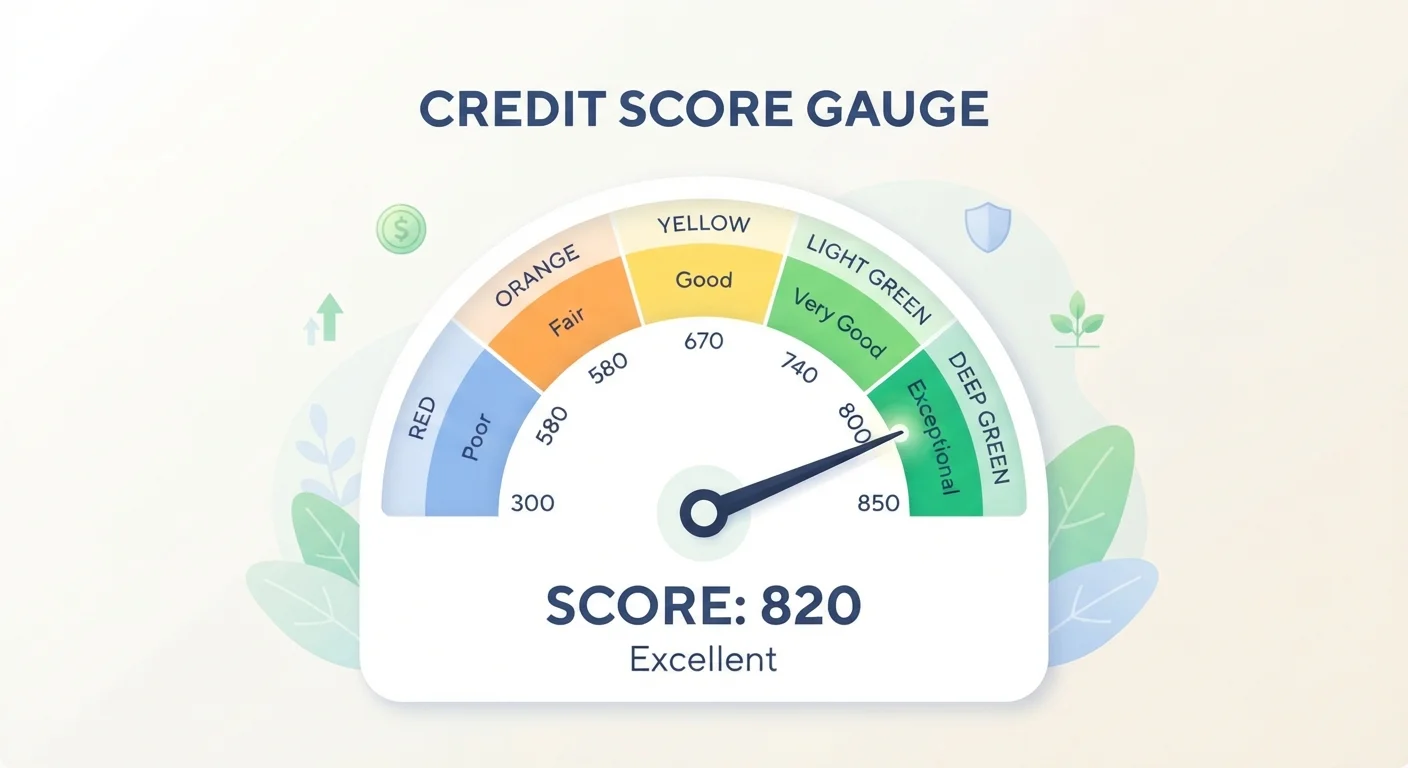
Both FICO and VantageScore use a 300-850 scale. Here's a plain-language breakdown of how most lenders interpret those ranges:
- 800-850 (Exceptional): You'll typically qualify for the lowest available interest rates.
- 740-799 (Very Good): Strong approval odds and competitive rates.
- 670-739 (Good): Approved for most products, though not always at the best rate.
- 580-669 (Fair): Some lenders will approve you, often with higher rates or stricter terms.
- 300-579 (Poor): Approval is difficult; secured cards or credit-builder loans may be needed to rebuild.
These cutoffs aren't universal - different lenders set their own thresholds - but they give you a reliable frame of reference. Understanding the scale helps you set realistic goals and track progress over time.
Set a Score Goal, Not Just a Vague Target
Rather than aiming to 'improve your credit,' pick a specific score range that unlocks something you want - like the 670 threshold for standard loan approval or 740 for better rates. Concrete goals make it easier to measure progress and stay motivated. Most credit monitoring tools let you track your score month by month for free.
Why Your Score Affects More Than Just Loans
Many people think credit scores only matter when applying for a mortgage or car loan. In practice, your score shows up in several other important situations:
- Renting an apartment: Most landlords run credit checks. A low score can lead to rejection or a demand for a larger deposit.
- Utility and phone plans: Providers sometimes check credit before setting up service. A low score may require a deposit.
- Auto and renters insurance: In most US states, insurers can use credit-based scores as one factor in pricing premiums.
- Employment: Some employers - particularly those hiring for roles involving financial responsibility - request permission to review your credit report.
There are also persistent misconceptions about what hurts or helps your score. Common credit score myths can quietly work against you if you don't know which ones to ignore.
How to Know Where You Stand
Under federal law, you're entitled to a free copy of your credit report from each of the three major bureaus once every 12 months through AnnualCreditReport.com, the official government-authorized site. Reviewing your report is different from checking your score - the report shows the raw data, while the score is the number calculated from it.
Many banks and credit card issuers now show your score for free within their app or online portal. Some use FICO; others use VantageScore. Either is a useful reference point. If you want to understand exactly what's inside your report and how to read each section, this guide to reading your credit report walks through it clearly.
The most important thing to remember: checking your own score or report does not lower it. There's no reason to avoid looking.
This article is for general informational purposes only and does not constitute personalized financial or legal advice. Consider speaking with a qualified financial professional for guidance specific to your situation.