

Key Takeaways
Why Fitness Metrics Feel Confusing (And That's Okay)
If you've ever glanced at your fitness tracker and felt either proud or defeated based on a number, you're not alone. Step counts, calories burned, heart rate zones - these metrics can feel official and precise. In reality, they're useful estimates, not scientific verdicts on your health.
This article will help you understand what common activity metrics actually measure, where they fall short, and how to use them as gentle guides rather than strict scorecards. If fitness tracking has ever felt overwhelming, consider this your calm, clear-eyed orientation.
For a broader look at how numbers in health contexts can be both helpful and misleading, our guide to reading nutrition labels shows the same principle applied to food.
What the Common Metrics Are Actually Measuring
Understanding what your tracker is - and isn't - capturing makes a real difference in how you use the data.
Step Count
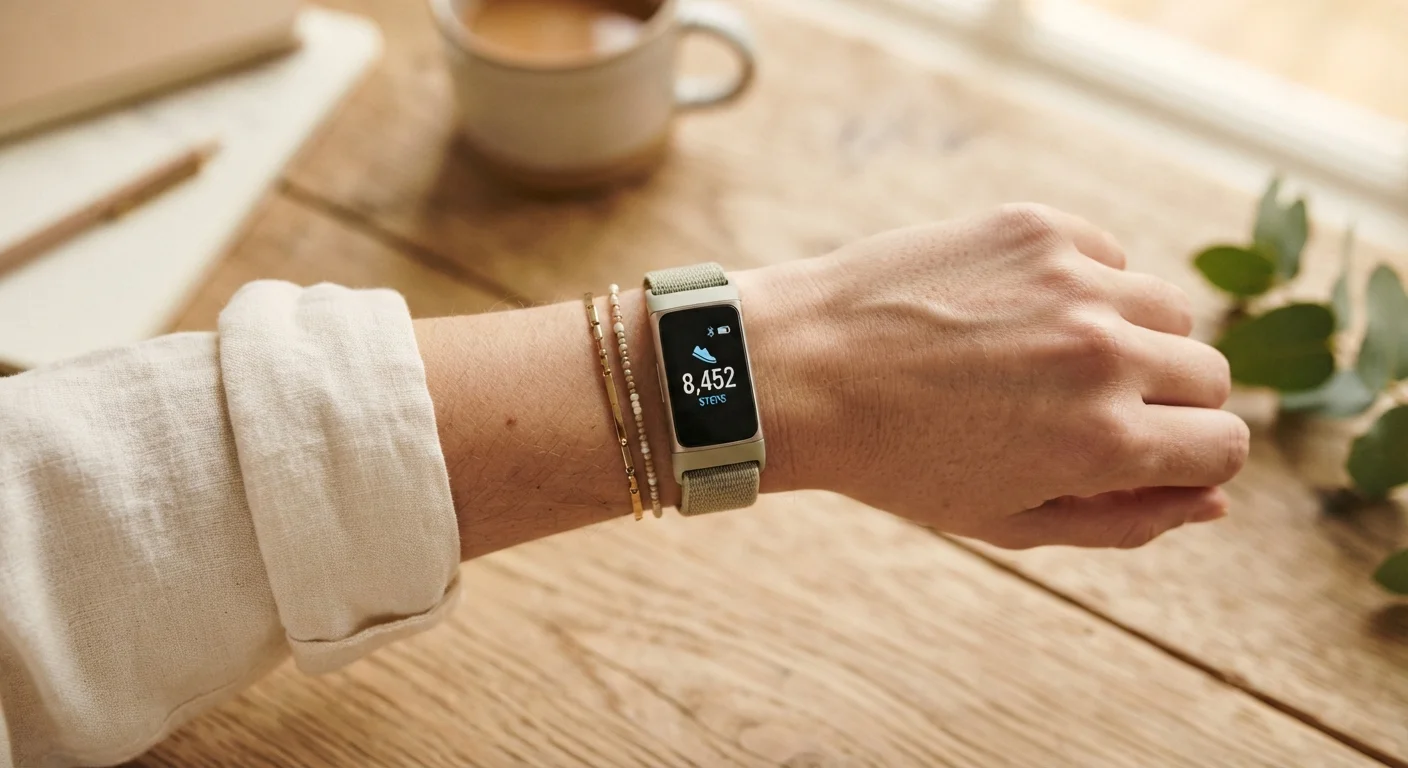
Step counting is the most straightforward metric, but it only counts movement that looks like walking. Cycling, swimming, and strength training often go unregistered or are significantly undercounted. A day with 6,000 steps that included a 30-minute swim is very different from a sedentary 6,000-step day - your tracker may not reflect that.
Heart Rate
Wrist-based heart rate monitors use optical sensors (light pulses that detect blood flow) to estimate your beats per minute. They're reasonably accurate at rest and during steady-state exercise, but can struggle during high-intensity intervals or activities involving a lot of wrist movement. Chest straps are generally more accurate if precision matters to you, but for most beginners, wrist-based readings are a useful approximation. To understand how heart rate connects to aerobic and anaerobic effort, see our explainer on exercise intensity zones.
Calories Burned
This is the metric with the widest margin of error. Calorie estimates are calculated from algorithms using your age, weight, height, and heart rate - but individual metabolism varies enormously. Research has consistently found that wearable calorie estimates can be off by 20-40%. Treat calorie readouts as a rough relative indicator, not a precise accounting.
20-40%
Typical error range in wearable calorie estimates
Multiple peer-reviewed studies have found that consumer fitness trackers can over- or underestimate calories burned by this margin, depending on activity type and the individual.
~30 min
Daily moderate movement associated with general health benefits
The U.S. Department of Health and Human Services' Physical Activity Guidelines suggest that around 150 minutes of moderate activity per week - roughly 30 minutes most days - supports meaningful health outcomes for adults.
Best Practices for Using Activity Data Wisely
The goal isn't to ignore your tracker - it's to use it as a supportive tool rather than a judge. Here are the practices that help beginners get genuine value from their metrics.
Look at weekly trends rather than daily totals.
A single low-step day tells you very little. Patterns over 7-14 days reveal whether your overall movement is increasing, steady, or declining - which is far more meaningful for long-term health. Daily variance is normal and expected.
Pair the numbers with how your body actually feels.
Perceived exertion - how hard an effort feels to you - is a legitimate and research-supported measure of exercise intensity. Your tracker can miss fatigue, stress, or illness that your body is clearly signaling. Ignoring physical cues in favor of numbers is one of the most common beginner pitfalls.
Set process goals, not just outcome goals.
Aiming to 'take a 15-minute walk after lunch three times this week' is more actionable and motivating than 'hit 10,000 steps every day.' Process goals build the habits that eventually produce the outcomes, without the daily score-keeping pressure.
Calibrate your expectations for calorie estimates.
Overestimating calories burned can lead to unintentionally eating back more than you expended, or feeling entitled to rest that your body doesn't actually need. Keeping calorie data in perspective protects you from decisions based on inaccurate figures. Our nutrition habits article explores how small miscalculations can quietly add up.
Use heart rate data to avoid doing too much too soon.
Beginners often push harder than their cardiovascular system is ready for, which increases injury risk and can make exercise feel unpleasant. Monitoring heart rate can help you stay in a comfortable, sustainable range while your fitness builds gradually.
Also worth noting: many fitness myths are built around misread metrics. Our article on common fitness myths covers several beliefs that tracking data can accidentally reinforce.
Quick Wins to Start Using Right Now
You don't need to overhaul your entire approach to benefit from smarter tracking. A few small shifts in how you interpret your data can make the experience feel more supportive and less stressful.
“The best exercise is the one you'll actually do consistently. Metrics are most useful when they support that consistency, not when they undermine your confidence.”
— American College of Sports Medicine, Leading professional organization for exercise science and sports medicine
This article is for general informational purposes only and is not a substitute for professional medical or fitness advice. Consult a qualified healthcare provider before starting a new exercise routine, especially if you have any existing health conditions.