

Cars & Driving

What a Pre-Purchase Inspection Covers — and Why It Matters for Used Cars

Share
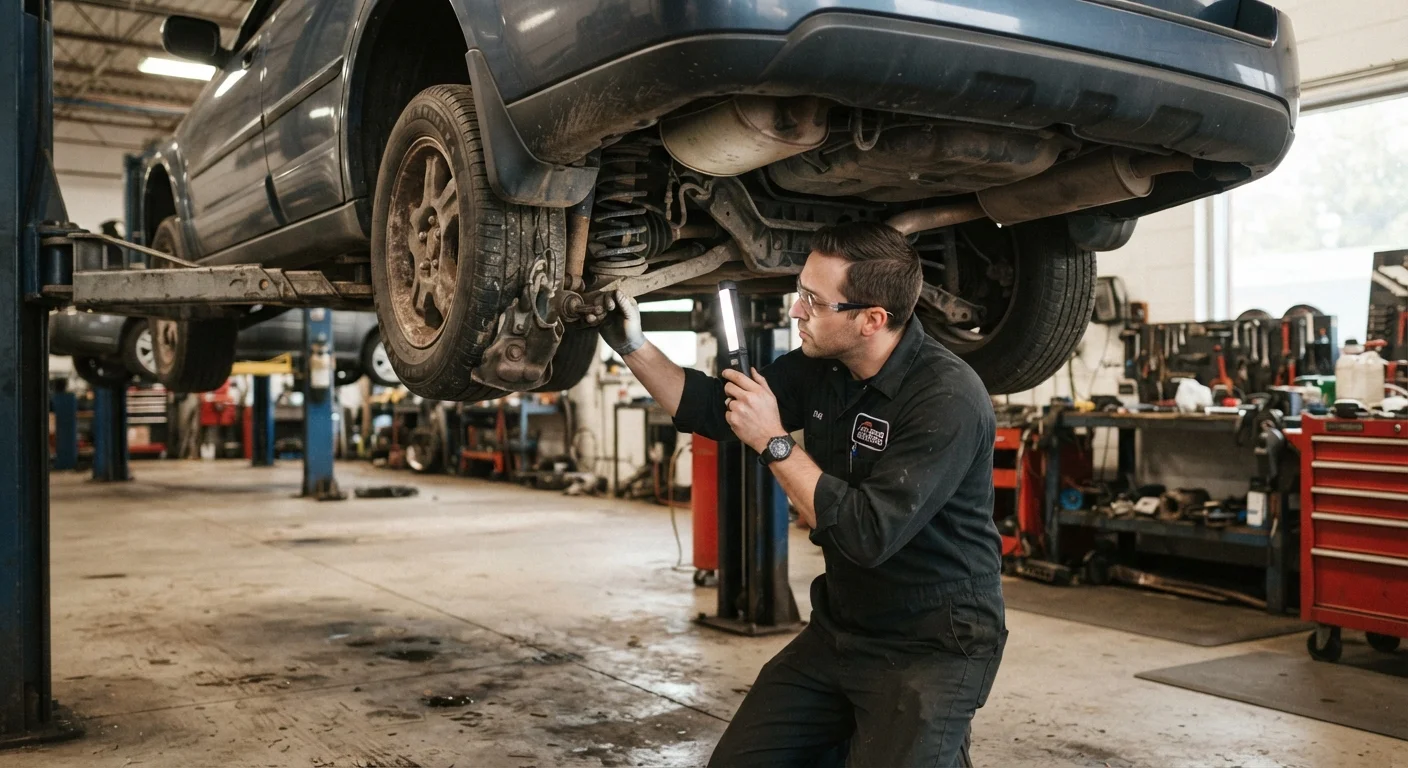
Mechanic inspecting the underside of a used car on a hydraulic lift in a garage

Key Takeaways

A pre-purchase inspection (PPI) is performed by an independent mechanic before you buy a used vehicle.
A PPI typically costs $100–$200 and can save you thousands in unexpected repair bills.
Inspections cover the engine, transmission, brakes, suspension, body, and electronics.
Any seller who refuses a PPI is a significant red flag worth taking seriously.
The inspection report gives you negotiating leverage or a clear reason to walk away.
20–35 min

Summary

22 items · 20–35 minutes to review

What Is a Pre-Purchase Inspection?

A pre-purchase inspection (PPI) is a thorough examination of a used vehicle performed by an independent, qualified mechanic — someone who has no financial stake in whether the sale goes through. It is not the same as a test drive or a quick look in a parking lot. A proper PPI puts the car on a lift, checks systems you cannot see with the naked eye, and produces a written report of findings.

For anyone buying a used car, a PPI is one of the most practical steps you can take. Sellers are not always aware of every problem with their vehicle, and even well-maintained cars develop hidden issues over time. Spending a modest amount on an inspection before signing a purchase agreement is straightforward self-protection.

Once you own the car, staying on top of routine maintenance becomes your responsibility. Our guide on car ownership basics covers what that looks like from day one. And if you want to understand what comes right after buying — including insuring your new vehicle — see Car Insurance Decoded.

Required

Independent mechanic or auto repair shop

Performs the physical inspection — should have no relationship with the seller or dealership.

Required

OBD-II scanner

Reads stored diagnostic fault codes from the vehicle's computer to flag hidden electrical or emissions problems.

Required

Vehicle history report service

Provides records of past ownership, accidents, title status, and odometer readings to complement the physical inspection.

Optional

Flashlight or inspection light

Helps the mechanic examine tight spaces under the hood, inside wheel wells, and along the undercarriage.

What the Inspection Actually Covers

A qualified mechanic will work through the vehicle methodically. Here is what a comprehensive PPI should examine, along with the red flags that warrant a closer look or a harder negotiation.

Under the Hood

Check the engine for oil leaks, unusual deposits, or signs of overheating such as a warped valve cover or milky oil (which can indicate a blown head gasket). Must
Inspect all fluid levels and condition — engine oil, coolant, brake fluid, transmission fluid, and power steering fluid. Must
Examine belts and hoses for cracking, fraying, or excessive wear. Must
Test the battery and charging system with a load tester to confirm they hold charge and output correctly. Should

Transmission and Drivetrain

Road-test the vehicle through all gear ranges to check for slipping, hesitation, or rough shifts. Must
Inspect CV axle boots and driveshaft joints for tears, grease leaks, or play that signals worn components. Must
On all-wheel-drive or four-wheel-drive vehicles, engage and disengage 4WD to confirm it operates correctly. Should

Brakes and Suspension

Measure brake pad thickness at all four corners and inspect rotors for deep grooves, warping, or rust that exceeds normal surface oxidation. Must
Test brake pedal feel — firm and consistent throughout the stroke means the hydraulic system is sound; spongy or pulsating pedal feel warrants further investigation. Must
Inspect shocks and struts for fluid leaks and bounce the corners of the car to assess damping quality. Must
Check ball joints, tie rods, and steering linkage for looseness or play. Should

Body and Frame

Look for uneven panel gaps, mismatched paint, or overspray under the hood and in the door jambs — signs of past collision repairs. Must
Inspect the frame rails and unibody structure underneath the car for bends, cracks, or weld repairs indicating significant impact damage. Must
Check rocker panels, wheel wells, and the undercarriage for rust — surface rust is common, but rust that has penetrated structural metal is a serious concern. Must

Tires and Wheels

Measure tread depth at multiple points on each tire and look for uneven wear patterns, which can point to alignment or suspension problems. Must
Inspect wheels for cracks, bends, or damage that could affect safe operation. Should

Electrical and Safety Systems

Scan the onboard diagnostics (OBD-II port) for stored fault codes, including codes for emissions systems, airbags, or ABS that may not trigger a visible warning light. Must
Test all lights, power windows, locks, mirrors, climate control, and infotainment functions. Should
Confirm airbag warning lights go through their normal self-check cycle at startup and extinguish — a light that stays on may indicate a deactivated or compromised airbag system. Must
Check air conditioning performance by verifying it cools to a reasonable temperature within a few minutes of operation. Nice to have

Never Skip the Independent Mechanic

Some dealerships offer their own inspection as part of a certified pre-owned program — and that is not the same as an independent PPI. Always hire a mechanic who works for you, not the seller. If a private seller or dealer refuses to allow an independent inspection, treat that refusal as a serious red flag and consider walking away.

Keep in mind that brake condition is one of the most consequential findings in any PPI. For a deeper look at what brake wear signals and when it becomes urgent, see Brake Wear 101. If the car passes inspection and you buy it, seasonal maintenance guidance will help you keep it in good shape year-round.

How to Use the Results

After the inspection, you will receive a written report — sometimes with photos. Read it carefully before responding to the seller. Here is how to interpret and act on what you find:

  • Minor issues (worn wiper blades, a burned-out bulb, low fluid levels) are normal on used vehicles and usually not cause for alarm. Factor the cost of fixing them into your offer.
  • Moderate issues (tires near end of life, aging brake pads, small oil seep) give you real negotiating leverage. Get repair estimates and ask the seller to adjust the price accordingly.
  • Major issues (transmission problems, frame damage, significant rust, engine faults) are legitimate reasons to walk away — or to negotiate very aggressively if you understand what you are taking on.

A clean report is not a guarantee the car will never need repairs, but it meaningfully reduces your risk. Pair the PPI with a vehicle history report to get the fullest picture possible before making your decision.

A PPI Does Not Replace a History Report

A physical inspection tells you the current condition of the vehicle. It cannot tell you how many owners it has had, whether it was declared a total loss by an insurer, or whether the odometer has been tampered with. Always pair a PPI with a reputable vehicle history report before finalizing any used car purchase. Together, these two tools give you the most complete picture possible.

Cars & Driving Editorial Team is the collective byline for our editorial team and contributor network. Articles published under this byline or an editorial pen name are researched, written, and reviewed according to our editorial standards for clarity, consistency, and independence before publication.

View all articles by Cars & Driving Editorial Team →
Disclaimer: The content provided on our blog site traverses numerous categories, offering readers valuable and practical information. Readers can use the editorial team’s research and data to gain more insights into their topics of interest. However, they are requested not to treat the articles as conclusive. The website team cannot be held responsible for differences in data or inaccuracies found across other platforms. Please also note that the site might also miss out on various schemes and offers available that the readers may find more beneficial than the ones we cover.