

Cars & Driving

Seasonal Car Care: Preparing Your Vehicle for Weather Changes

Share
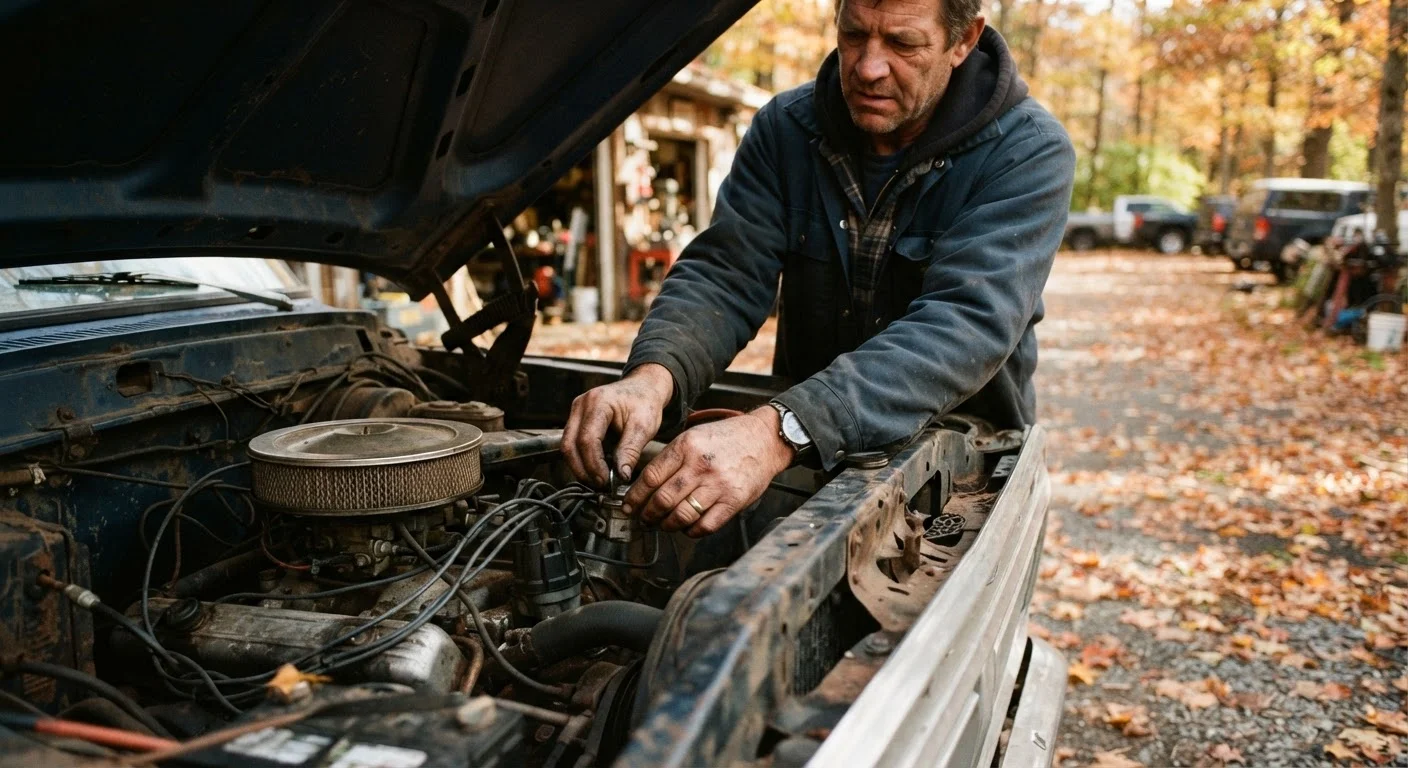
Hands inspecting engine compartment under car hood with autumn leaves on ground nearby

Key Takeaways

Cold weather stresses batteries, tires, and fluids — check all three before winter arrives.
Summer heat accelerates coolant breakdown and tire pressure changes; inspect both in spring.
Wiper blades and lights are quick wins that directly affect safety in poor weather conditions.
A seasonal check twice a year — fall and spring — catches most weather-related problems early.
Many of these checks take just a few minutes and require no special tools or mechanical skill.
30–60 min

Summary

18 items · 30–60 minutes

Why Seasonal Checks Actually Matter

Weather doesn't just affect your comfort — it affects your car's mechanical systems in real, measurable ways. Cold temperatures thicken engine oil, drain battery voltage, and cause tire pressure to drop. Summer heat stresses coolant systems and can accelerate tire wear. The good news: most seasonal problems are predictable, and a quick inspection twice a year goes a long way toward preventing them.

This checklist is organized by two main transitions — preparing for colder weather (fall/winter) and preparing for warmer weather (spring/summer). Work through whichever section fits your current season, or use both as a full annual audit. If you're newer to car ownership, our first car maintenance schedule explains the broader context behind these tasks.

Fall & Winter Preparation

Test your battery voltage or have it load-tested at an auto parts store — most batteries older than three to four years should be checked before cold weather hits. Must
Check tire pressure and adjust to the manufacturer's recommended PSI (found on the sticker inside your driver's door) — tire pressure drops roughly 1 PSI for every 10°F drop in temperature. Must
Inspect tire tread depth using the quarter test: insert a quarter upside down into the tread groove — if you can see the top of Washington's head, tires may need replacing before winter driving. Must
Check the engine oil level and color using the dipstick, and confirm the oil weight in use is appropriate for cold-weather operation per your owner's manual. Must
Inspect the antifreeze (coolant) concentration — a 50/50 mix of coolant and water protects most vehicles to around -34°F, but verify the right ratio for your region. Must
Replace wiper blades if they streak or skip, and consider switching to winter-rated wiper blades if you live in a region with heavy snow or ice. Should
Fill your windshield washer fluid reservoir with a freeze-rated fluid — standard summer washer fluid can freeze in the lines when temperatures drop below 32°F. Must
Check that all exterior lights — headlights, brake lights, turn signals, and reverse lights — are working, since shorter daylight hours mean you rely on them more. Should
Keep a basic winter emergency kit in your trunk: a small shovel, a bag of sand or kitty litter for traction, jumper cables, a blanket, and a flashlight. Nice to have

Spring & Summer Preparation

Check coolant level in the reservoir and inspect the condition of hoses and the radiator cap — heat accelerates coolant breakdown and hose deterioration. Must
Recheck tire pressure after winter — pressure fluctuates seasonally and tires that were inflated for cold weather may be over-inflated once temperatures rise. Must
Inspect wiper blades again after winter use — cold weather and ice scraping wear them out quickly, and spring rain demands clear visibility. Should
Check your air conditioning system by running it for a few minutes — if it's slow to cool or blows warm air, have a mechanic inspect it before peak summer heat. Should
Top off washer fluid with a summer formula that includes a bug-removing agent if insects are a seasonal issue in your area. Nice to have
Inspect the cabin air filter and replace it if it's clogged — a clean filter improves A/C efficiency and air quality inside the vehicle. Should
Look over the undercarriage and wheel wells for road salt residue or rust — salt used for winter road treatment can accelerate corrosion if not cleaned off. Should
Check brake fluid level and note if the fluid appears very dark — contaminated brake fluid can be flagged to a mechanic during the next service visit. Should
Confirm your spare tire is properly inflated and that your jack and lug wrench are accessible — summer road trips mean longer distances from help if you get a flat. Must

What You'll Need to Get Started

Most of these checks are visual and don't require tools. A few — like checking tire pressure or topping off fluids — need basic supplies you can find at any auto parts store. Gather what you need before you start so you can move through the list efficiently.

Required

Tire pressure gauge

Measures PSI in each tire so you can inflate or deflate to the manufacturer's recommended level.

Required

Antifreeze/coolant tester

Checks the freeze protection level of your coolant mixture — available as an inexpensive test strip or float-ball tester.

Required

Flashlight or work light

Helps you see clearly under the hood, inside wheel wells, and around the undercarriage.

Required

Clean rags or paper towels

Used when checking the dipstick for oil level and wiping residue from fluid reservoirs for a clear reading.

Optional

Voltmeter or battery tester

Checks battery voltage to identify a weak battery before cold weather causes a no-start situation.

Never Open a Hot Radiator Cap

Coolant systems are pressurized. Opening the radiator cap or coolant reservoir cap on a hot engine can cause scalding fluid to spray out. Always let the engine cool completely — at least 30 minutes after turning it off — before checking or touching any cooling system component.

After the Checklist: What to Do With What You Find

If everything looks good, you're set for the season. Keep a simple log of what you checked and when — even a note in your phone is enough. If you found a low fluid, a worn wiper, or soft tires, handle those items first since they affect safety most directly.

For anything that looks worn, cracked, corroded, or leaking, have a qualified mechanic take a look before conditions worsen. Some repairs are straightforward; others — like replacing a battery or flushing coolant — are best done by a professional if you're not confident doing them yourself.

Once the basics are covered, build on them. Our guide to habits that keep a car running well shows how small routines compound into long-term reliability. And if you'll be driving in rain, snow, or ice this season, see how weather conditions change driving technique so you're ready behind the wheel, not just under the hood.

Your Owner's Manual Is the Final Word

Fluid specifications, oil viscosity grades, coolant types, and service intervals vary by vehicle make and model. Always cross-reference this checklist against your owner's manual before making any changes. Using the wrong fluid type — even if it looks similar — can cause damage that voids warranties or creates costly repairs. If your manual recommends a specific product type, follow that guidance.

Cars & Driving Editorial Team is the collective byline for our editorial team and contributor network. Articles published under this byline or an editorial pen name are researched, written, and reviewed according to our editorial standards for clarity, consistency, and independence before publication.

View all articles by Cars & Driving Editorial Team →
Disclaimer: The content provided on our blog site traverses numerous categories, offering readers valuable and practical information. Readers can use the editorial team’s research and data to gain more insights into their topics of interest. However, they are requested not to treat the articles as conclusive. The website team cannot be held responsible for differences in data or inaccuracies found across other platforms. Please also note that the site might also miss out on various schemes and offers available that the readers may find more beneficial than the ones we cover.