

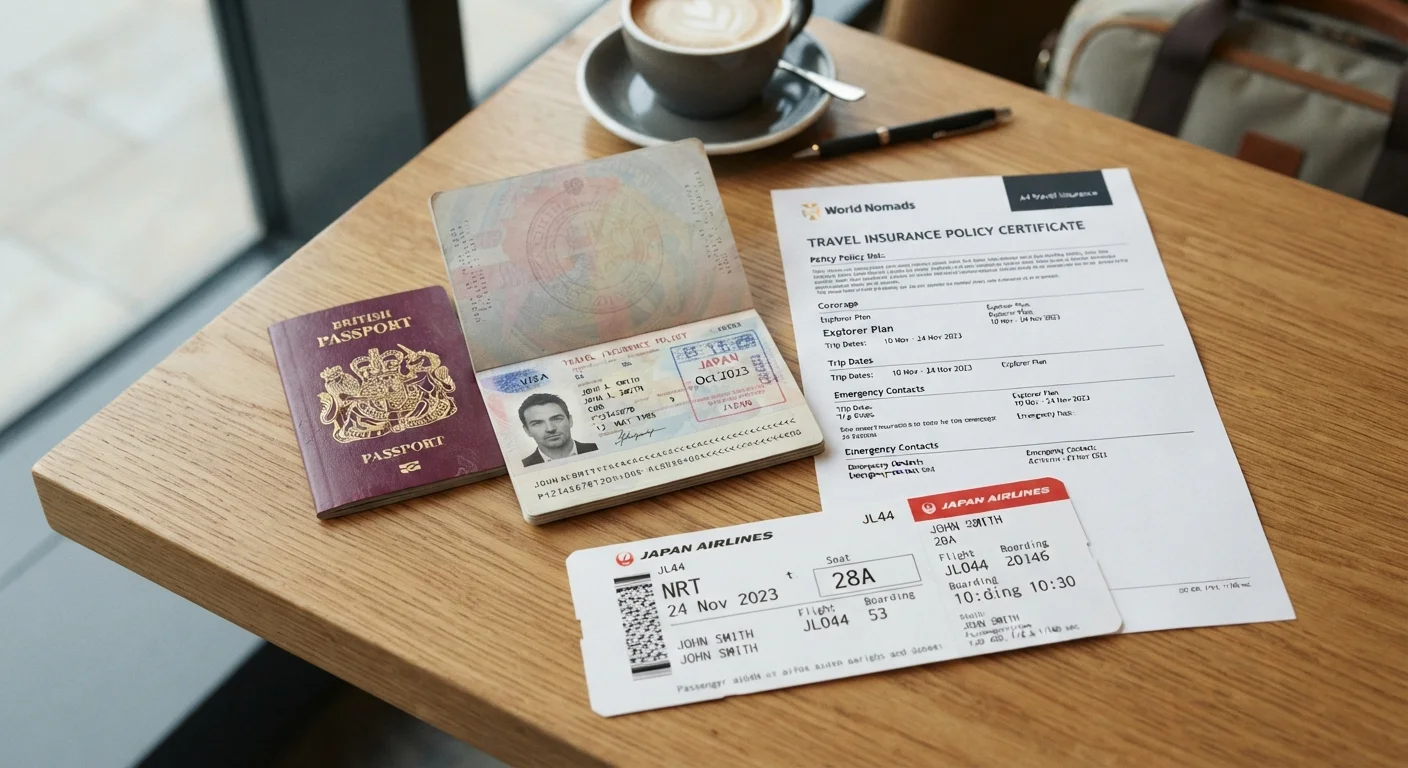
Key Takeaways
Travel Insurance
Travel insurance is a type of short-term insurance policy that provides financial protection against unexpected problems that can occur before or during a trip. It typically covers things like trip cancellations, medical emergencies, lost luggage, and travel delays. You purchase a policy for a specific trip or a defined period, and if a covered event occurs, the insurer reimburses you for eligible losses.
Policies vary significantly in scope and exclusions; the coverage you receive depends entirely on the specific plan you purchase and the circumstances of your claim.
What Travel Insurance Actually Is
Travel insurance is a short-term policy that reimburses you for financial losses caused by specific, unexpected travel problems. Think of it as a safety net for costs you've already committed to - plane tickets, hotel deposits, tour bookings - in case something disrupts your trip before or during your journey.
The key word here is specific. Unlike a general safety guarantee, travel insurance only pays out when a covered event happens. What counts as a covered event depends entirely on the plan you choose. This distinction is something many first-time travelers miss, which is why skipping it - or misunderstanding it - is one of the most common planning mistakes beginners make.
Travel insurance is sold by independent insurance companies, and policies range from bare-bones cancellation coverage to comprehensive plans that include medical emergencies, baggage loss, and more. No two policies are identical, so understanding what's inside a plan before you buy is essential.
The Main Coverage Types Explained
Most travel insurance plans bundle several types of coverage together. Here's what each one is designed to do:
- Trip Cancellation: Reimburses prepaid, non-refundable trip costs if you cancel for a covered reason - typically illness, injury, death of a family member, or severe weather. This does not cover cancellations because you changed your mind.
- Trip Interruption: Similar to cancellation coverage, but applies when your trip is cut short after it begins. For example, if a family emergency calls you home early, this coverage may reimburse unused expenses.
- Emergency Medical Coverage: Pays for medical treatment if you're injured or become ill while traveling. This is especially important internationally, where your US health plan may not apply.
- Emergency Medical Evacuation: Covers the cost of transporting you to an adequate medical facility if local care is insufficient. Evacuations can cost tens of thousands of dollars without coverage.
- Baggage and Personal Belongings: Reimburses you for lost, stolen, or damaged luggage. Coverage limits vary widely and often come with per-item caps.
- Travel Delay: Covers meals, accommodations, and related expenses if your travel is significantly delayed due to covered causes like mechanical failure or severe weather.
$50,000+
Typical cost of international medical evacuation
Emergency medical evacuation from remote international locations can exceed $50,000 or more, according to general industry estimates from travel insurance providers.
~5-10%
Typical travel insurance cost as share of trip price
Most travel insurance policies cost roughly 5-10% of total insured trip cost, though this varies based on age, destination, and coverage level.
1 in 6
Travelers who experience a trip disruption
Industry research has suggested a meaningful share of travelers encounter some form of disruption - from delays to cancellations - on any given trip.
What Travel Insurance Typically Does Not Cover
Understanding the exclusions is just as important as knowing what's covered. Some common situations that standard policies do not cover include:
- Pre-existing medical conditions - unless you purchase a plan with a pre-existing condition waiver, typically within a short window (often 14-21 days) of your initial trip deposit.
- Cancellations due to fear of travel - if you simply decide a destination feels risky without an official travel advisory or covered event, standard policies won't pay out.
- High-risk or extreme activities - skydiving, mountaineering, and similar activities are frequently excluded unless you add specific riders.
- Undocumented losses - if you can't provide receipts or a formal report (such as a police report for theft), your claim may be denied.
- Change of mind or voluntary cancellations - only a "cancel for any reason" (CFAR) upgrade covers this, and it typically reimburses only a percentage of costs.
Travel insurance is also one of the hidden costs that catch first-time travelers off guard - so it's worth factoring its price into your overall trip budget from the start.
Read the Exclusions Before You Buy
The exclusions section of a travel insurance policy is where most coverage surprises are hidden. Before purchasing, scan specifically for pre-existing condition language, activity restrictions, and documentation requirements. A policy that looks comprehensive may have significant gaps that matter for your specific trip.
When Travel Insurance Is Worth the Cost
Travel insurance isn't always necessary, but there are clear situations where it provides meaningful financial protection:
- International travel: Medical costs abroad - especially emergency evacuation - can be staggering. Most US health plans offer little to no international coverage.
- Expensive, non-refundable trips: If you've prepaid a significant amount for flights, hotels, or tours that you can't recover if something goes wrong, insurance reduces that financial exposure.
- Cruises and package tours: These often involve large upfront payments with strict cancellation terms, making trip cancellation coverage particularly relevant.
- Travel during unpredictable seasons: Hurricane season, winter weather, or travel to regions with political instability can increase the likelihood of disruption.
On the other hand, for a short domestic road trip with flexible, low-cost bookings, the cost of a policy may outweigh its practical benefit. The value of travel insurance scales with how much you have at stake financially and how likely disruptions are.
“Travel insurance is not about expecting the worst - it's about making sure an unexpected problem doesn't turn into a financial catastrophe. The decision to buy should be based on what you stand to lose, not just the cost of the policy.”
— Travel Smart Editorial Team, Travel Planning Editors
This article is for general informational purposes only and does not constitute insurance advice. Always read a policy's full terms and consult the insurer or a licensed insurance professional before making coverage decisions. Verify current entry, health, and safety requirements with official government sources before traveling.