

Key Takeaways
Driving Without Registration
Driving without registration means operating a vehicle whose registration has either expired, was never completed, or whose documents are not present in the car. In the US, every state requires vehicles driven on public roads to be registered with the state's motor vehicle agency. Registration proves the vehicle is legally recognized and that applicable fees and taxes have been paid.
Registration is distinct from title (which proves ownership) and from insurance. All three are typically required to legally operate a vehicle on public roads.
Why Registration Matters on Public Roads
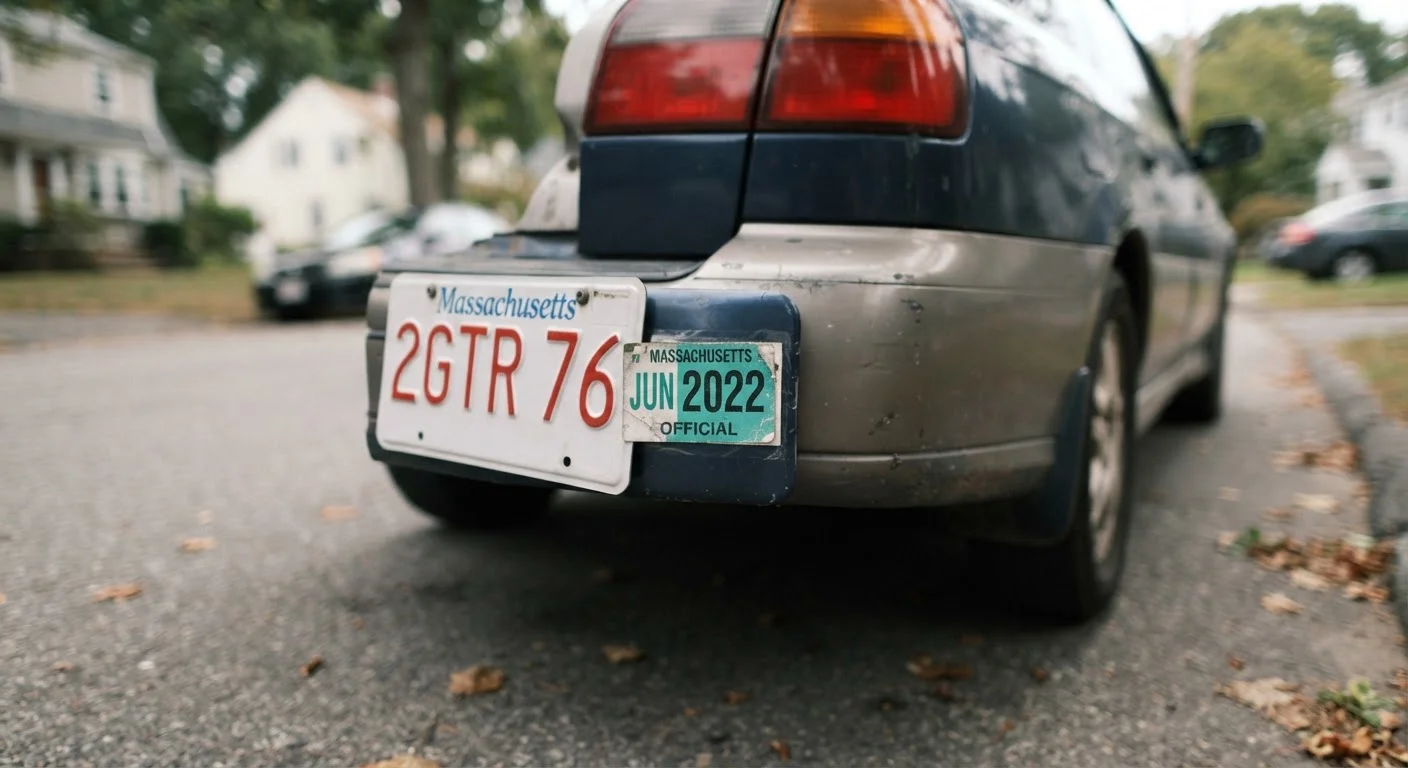
Vehicle registration is the state's way of tracking every car legally operating on its roads. When you register, you pay fees that often fund road maintenance and local infrastructure. In return, you receive plates, a registration card, and a validation sticker. That sticker on your plate is visible evidence that your vehicle is current - and when it's missing or expired, it's one of the easiest violations for an officer to spot.
Registration is also tied to safety and emissions compliance in many states. Before renewing, you may need to show the vehicle passed an emissions test or safety inspection, which helps keep poorly maintained cars from becoming hazards on public roads.
Registration and Insurance Are Separate Requirements
Having valid registration does not mean your vehicle is insured, and having insurance doesn't mean your registration is current. Both are required independently to legally operate a vehicle on public roads in the US. Always keep proof of both in your vehicle.
The Typical Consequences of Lapsed or Missing Registration
What happens when you're caught without valid registration depends on your state, how long it's been expired, and the circumstances of the stop. Here's what you can generally expect:
- Traffic citation and fine: This is the most common outcome for a first-time or short-lapse violation. Fines typically range from under $100 to several hundred dollars, not counting court costs.
- Fix-it ticket (correctable violation): Some states issue what's called a correctable citation - you pay a small administrative fee after showing proof that you've renewed, and the full fine is waived. Not all states offer this option.
- Vehicle impoundment: For significantly overdue registrations, officers in many states are authorized to impound the car on the spot. Getting it back means paying renewal fees plus impound and daily storage costs, which can add up quickly.
- Points on your driving record: A few states treat registration violations as moving violations and add points to your license, which can affect your insurance rates.
30-90 days
Typical window to register after moving states
Most US states require new residents to transfer their vehicle registration within 30 to 90 days of establishing residency, according to general DMV guidelines.
$25-$500+
Typical fine range for expired registration
Fine amounts vary significantly by state and the duration of the lapse; court and administrative fees may be added on top of the base fine.
How to Get Your Registration Back on Track
The good news is that renewing an expired registration is rarely complicated. Here's the general process, though specific steps vary by state:
- Gather your documents. You'll typically need your current proof of insurance, your vehicle identification number (VIN), and your previous registration card or renewal notice.
- Complete any required inspections. Many states require a passing emissions or safety inspection before they'll renew. Check your state DMV's website to see if this applies to you.
- Pay the renewal fees. Fees vary by state, vehicle type, and weight. Most states accept payment online, by mail, or in person at a DMV office or authorized third-party location.
- Display your new documents. Once renewed, place your new validation sticker on your plate as directed and keep the registration card in your vehicle at all times.
If you've recently moved across state lines, the process is a bit more involved. See our guide to registering a car in a new state for details on what changes and what timelines to expect.
Set a Renewal Reminder Before Your Sticker Expires
Most states mail a renewal notice 30 to 60 days before your registration expires, but mail doesn't always arrive reliably. Set a calendar reminder a month before your expiration date so you have time to complete any required inspections and pay fees without rushing. Many states now offer email or text reminders through their DMV portal - it's worth signing up.
What to Do If You've Already Received a Citation
If you've been cited for driving without registration, don't ignore the ticket. Unpaid citations can lead to a suspended license, additional fines, or a hold being placed on your ability to renew future registrations. Here's a practical approach:
- Renew your registration as quickly as possible after receiving the citation.
- Check whether your state or county offers a correctable-violation dismissal - many do if you can show proof of renewal within a set window.
- Appear in court or pay the fine by the deadline listed on the citation. If you're unsure about the process, consulting a local traffic attorney is a reasonable option for more serious situations.
Acting promptly is almost always better than waiting. The longer registration stays lapsed, the more fees and complications can accumulate.